Government Digital Transformation: Embracing Innovation for Public Sec
Unlock the future of public sector technology with insights on government digital transformation and how it can reshape citizen interactions.

Introduction to Government Digital Transformation
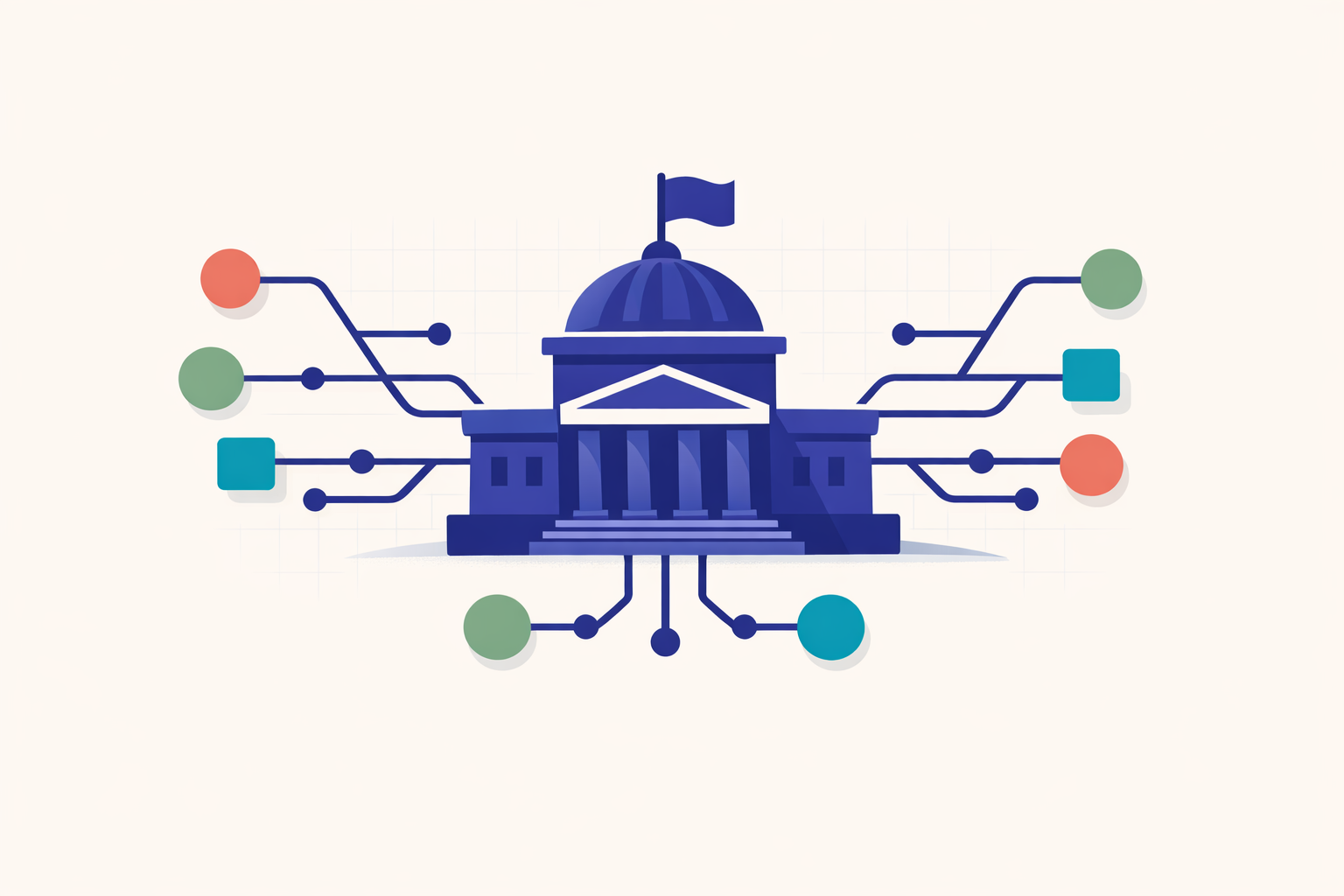
In today's rapidly advancing digital landscape, government bodies around the world are under increasing pressure to innovate. This evolution is driven by the need to enhance public services and meet citizens' ever-growing expectations. At the core of this transformation is the concept of government digital transformation, which involves the adoption and integration of digital technologies across all areas of government operation, fundamentally reshaping how these organizations deliver value to citizens.
Central to government digital transformation is govtech software development — a specialized tool for reinventing public sector technology. Govtech represents an exciting convergence of public policy and advanced technology, with the potential to revolutionize how governments operate and engage with their citizens.
Historically, governments have been hindered by legacy systems — outdated software or hardware that consumes significant financial resources for maintenance and is often incompatible with modern technologies. These legacy systems not only restrict the government's ability to adopt technologically advanced practices but also impede the seamless exchange of information across different governmental units.
Additionally, the constraints imposed by stringent procurement regulations often present substantial barriers to the adoption of innovative, transformative solutions. These regulations can stifle government agencies' efforts to seek and implement digital products and services from the private sector.
Tip: Transitioning to an agile approach can be crucial for navigating the complexities of digital transformation. Embracing agile management fosters flexibility and creates an environment that encourages incremental progress rather than large-scale, monolithic changes. Such a strategy enables governments to adapt swiftly to new technologies and systems, thereby accelerating the delivery of digital services.
However, the journey toward a fully digital government is fraught with challenges. Among the most significant concerns are data privacy and security, which are critical given the vast amounts of personal data that government bodies manage.
Overall, the path to digital transformation is filled with both opportunities and risks—ranging from enhancing citizen experiences to the challenges of ensuring data compliance. It requires careful planning, strategic implementation, and effective change management to strike the right balance.
In the following sections, we will explore these challenges in greater detail and highlight case studies of organizations that have made significant strides in their digital transformation journeys, along with a comprehensive FAQ. Join us as we delve into the dynamic realm of government digital transformation.
Legacy Challenges in Public Sector Technology
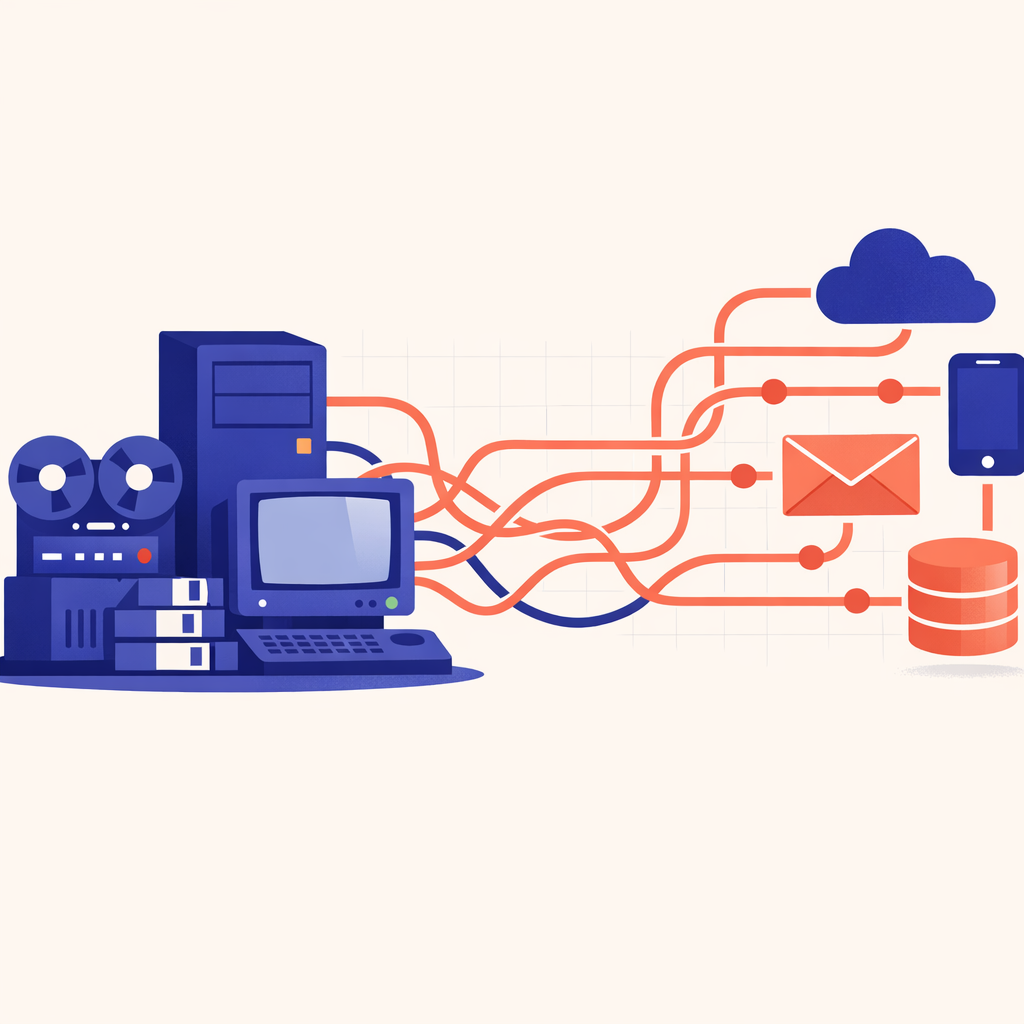
In the process of digital transformation within the public sector, several factors present significant challenges, with legacy systems being the most critical. Digital transition is not merely about replacing old systems with new ones; it involves fundamentally transforming how governments operate using digital technology.
The Burden of Maintaining Legacy Systems
Legacy systems coexist with modern technology but often impose significant constraints. They require continuous maintenance and updates due to outdated hardware, software, and code bases. As a result, these legacy systems become financially burdensome for governments. Perhaps the most severe drawback is their frequent incompatibility with newer technologies essential for the digitization process.
Public sector organizations often grapple with legacy applications that cannot be easily replaced or retired, leading to a phenomenon known as 'legacy drag.' This challenge hinders the swift adoption of new technologies and stifles the development of innovative services that could enhance the citizen experience.
Inefficiency of Legacy Systems
Despite having been trusted for many years, legacy systems in government are notorious for their inefficiencies in integration and modernization efforts. A lack of standardization and the prevalence of siloed data obstruct effective interoperability, resulting in poor decision-making based on incomplete or outdated information.
Procurement Barriers to Digital Transformation
Faced with rigid procurement regulations, governments often encounter difficulties embracing innovative GovTech software development solutions. The public sector's procurement process is burdened with red tape and conservatism—an unfortunate mismatch for acquiring cutting-edge, agile solutions.
Navigating Towards a Digital Government
Despite the intrinsic challenges posed by legacy systems, governments must take bold steps towards becoming digital entities. Adopting an agile approach can facilitate incremental changes that are both manageable and impactful. Advancements in public sector technology through GovTech are essential for reinventing governmental operations, ultimately leading to improved efficiency and enhanced citizen satisfaction.
In conclusion: As the momentum for digital government builds, overcoming legacy system challenges is paramount. Governments must address these obstacles and transform them into opportunities for enhanced citizen engagement and improved service delivery.
Call to Action: To navigate the complexities of digital transformation, governments should invest in modern GovTech software development to improve citizen experiences, lower costs, and increase efficiency.
By effectively managing these legacy challenges, governments can successfully achieve digital evolution, turning public sector technology into a driving force for change that positively impacts citizens' lives.
Procurement Limits and Government Digital Transformation
Navigating procurement challenges is a crucial aspect of the journey toward government digital transformation. The procurement rules and regulations established by the government are often stringent, which can limit the selection of modern technological solutions. These limitations, while often implemented with the well-intentioned purpose of ensuring accountability and preventing wasteful spending, can inadvertently hinder the adoption of innovative technologies in the public sector.
Understanding Procurement Limitations
One common procurement limitation involves the requirement to use long-established vendors, who may not specialize in govtech software development or government digital transformation solutions. Many governments find themselves bound by inflexible contracts with these vendors, making it challenging to adopt new digital solutions offered by emerging service providers.
Furthermore, due to the unique nature of public-sector needs, commercially available software solutions often fail to meet the specific requirements of government bodies. Consequently, even governments that are willing to embrace change may struggle to facilitate their digital transformation.
Lastly, the procurement process itself is often protracted. Lengthy tendering procedures can delay the acquisition of urgently needed digital solutions. As technology evolves rapidly, such delays can result in outdated solutions being procured.
Overcoming Procurement Limitations
Implementing effective strategies to navigate these procurement limitations can act as a catalyst for advancing digital government. Here are some actionable insights:
-
Procurement Regulations Reform: Advocating for the reform of outdated acquisition regulations is a crucial first step. This can enable more flexible and modern procurement methods.
-
Agile Procurement: Adopting an agile approach to procurement allows for the incremental acquisition and implementation of new technology, enabling governments to navigate stringent rules while progressing toward digital transformation.
-
Pilot Programs: Running pilot programs offers a practical method to trial new technologies without committing significant resources, mitigating financial risk while exploring innovative solutions.
In conclusion, although procurement limits pose significant challenges on the path to digital government, developing innovative strategies to address these limitations can empower government bodies to overcome barriers and accelerate their journey toward comprehensive digital transformation.
"Procurement limits present challenges, but they are certainly not insurmountable. With the right strategies, innovative technologies can be progressively integrated into government systems, fostering a digital transformation that meets the increasing expectations of citizens."
The Role of Agile Methodologies in GovTech Software Development
In the era of digital government, aligning digital transformation strategies with an ever-evolving landscape can be daunting, presenting various challenges such as compliance, security issues, data integration, and change management. However, there is a growing recognition that adopting agile methodologies can effectively address these challenges in GovTech software development and beyond.
Rapid and Flexibility-driven Deliverables
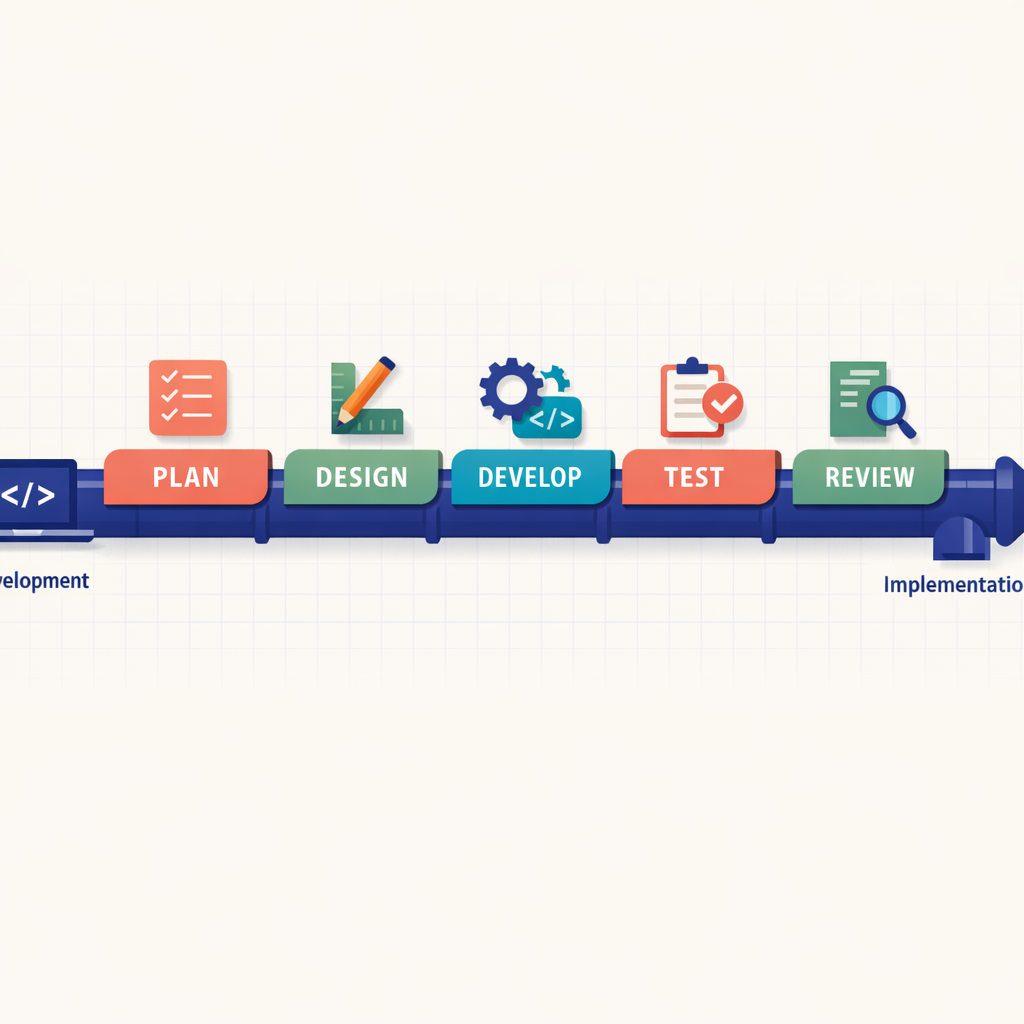
Agile methodologies emphasize flexibility and decompose large-scale projects into smaller, manageable increments. This incremental approach facilitates swift delivery, enhances efficiency, and allows for adaptability to changes. By leveraging Agile, government entities can expedite the delivery of new features while ensuring that what is being developed remains relevant to end-users and can swiftly adapt to the dynamic digital environment.
Tip: Agile methodologies empower governments to evolve and respond flexibly to new demands, guaranteeing that citizens can maximize the benefits of public sector technology.
Overcoming Procurement Limitations
As discussed earlier, procurement challenges can hinder effective project execution. The agile approach offers a strategic alternative. Rather than seeking a one-size-fits-all solution, government entities can procure smaller segments of a larger project. This strategy not only increases the success rate of programs but also enhances the overall return on investment (ROI).
Enhancing Citizen Experience
A primary goal of GovTech software development is to improve citizen experience. Agile adoption aligns perfectly with this objective by facilitating regular feedback loops from users. This iterative process ensures that the developed applications are user-friendly, tailored to meet user needs, and significantly reduces the risk of project failure.
Security and Compliance
In the realm of digital government and public sector technology, security and compliance are paramount. The iterative nature of agile methodologies allows for the integration of security measures and compliance standards from the initial stages of development.
In light of these benefits, numerous government entities worldwide have embarked on their agile adoption journeys. For example, the US Department of Defense is transforming its approach to technology acquisition and development by embracing agile methodologies.
In conclusion, incorporating an agile approach into GovTech software development presents significant potential benefits on the path to digital transformation. By fostering flexibility, overcoming procurement limitations, enhancing citizen experience, and ensuring security and compliance, agile methodologies play a pivotal role in reshaping public sector technology.
FAQs
-
Can Agile methodologies be adopted irrespective of the size of a government body?
- Absolutely. Whether a small municipality or a large federal agency, any government entity seeking to modernize and digitize can leverage the benefits of Agile.
-
Is Agile adoption costly?
- While initial costs may be higher, the advantages of improved product quality, increased customer satisfaction, and early detection of errors often lead to a reduction in overall project costs over time.
-
Are there instances where Agile methodologies have failed?
- Like any methodology, Agile can face challenges if not implemented effectively. Very large and complex projects may encounter difficulties without a well-structured plan for Agile adoption. However, the overall success rate of Agile projects significantly surpasses the instances of failure when implemented correctly.
Tip: The key to successful Agile adoption lies in meticulous planning and execution, especially for larger projects.
Data Security and Compliance in Digital Government Transformation
As governments worldwide modernize by adopting digital government models, one of the most critical aspects to consider is the security and compliance associated with this transformation. This transition involves not only the implementation of innovative solutions but also the safeguarding of vast amounts of private citizen data.
Rising Security Challenges in Digital Government
Risk mitigation is crucial as the demand for govtech software development intensifies. Below are some key security risks to consider:
| Security Risk | Description |
|---|---|
| Data Leaks | The increasing digitization of services has led to a greater volume of sensitive information being accessible online, making it more vulnerable to cyber attacks. It is essential to ensure that citizen data is managed within a secure environment. |
| Legacy System Vulnerabilities | Addressing vulnerabilities in outdated software poses a significant challenge. These systems were not designed to withstand today's sophisticated cyber threats, thereby presenting considerable security risks. |
| Authentication Issues | As government services become more accessible online, effectively authenticating users to prevent unauthorized access presents another security challenge. |
Key Takeaway: Mitigating these risks is fundamental to maintaining public trust. Implementing adequate encryption protocols, utilizing virtual private networks (VPNs), and employing robust authentication methods can significantly diminish these threats and enhance citizen confidence.
Compliance: A Non-negotiable Aspect of Digital Transformation
While innovation is encouraged, compliance with established norms must never be compromised. Governments must ensure that their processes for collecting, storing, and sharing data comply with regulations at both local and international levels. Failure to adhere to compliance standards can lead to severe penalties and erode citizen trust.
Agencies should specifically consider:
- Privacy Laws: Adhering to data protection laws, including the General Data Protection Regulation (GDPR) and the California Consumer Privacy Act (CCPA).
- Information Access: Ensuring that government data is accessible and formatted in accordance with the Accessibility for Ontarians with Disabilities Act (AODA) and Section 508 of the Rehabilitation Act.
In conclusion, the journey toward a digital government is fraught with complexities. Understanding and addressing the security and compliance dimensions of this transformation will be key to driving successful and sustainable change. By effectively managing security risks and adhering to compliance standards, governments can confidently pursue their digital transition and better serve their citizens.
Case Studies: Successful Government Digital Transformation
The following case studies illustrate successful government digital transformations, highlighting the advantages of govtech software development and the significant shift toward a more digital government.
U.S. General Services Administration (GSA)
The United States GSA embarked on a comprehensive digital transformation journey, utilizing agile methodologies to modernize its legacy systems. Confronted with security and compliance challenges, the GSA adopted innovative public sector technology to address these issues. As a result, the agency improved the speed, efficiency, and adaptability of its services, ultimately enhancing the overall citizen experience.
Key Insight: The transformation made the GSA's procurement process more efficient and transparent.
Estonian Government
Renowned for its advanced digital government, Estonia's transformation has been exceptionally noteworthy. Driven by effective data integration and change management, Estonia has successfully digitized nearly 99% of its public services.
Despite facing initial legacy challenges, the development and deployment of innovative govtech software facilitated extensive modernization. Today, Estonia boasts one of the world's leading digital infrastructures, fostering a highly connected, efficient, and transparent society.
Key Insight: Estonia's digital transformation exemplifies proactive change management and agile adaptation within the public sector.
City of Boston, Massachusetts
The City of Boston has embarked on a robust digital transformation initiative aimed at enhancing public sector services. By leveraging data integration and custom software development, the city has transitioned away from outdated legacy systems, thereby improving services ranging from permitting to licensing.
These case studies of government digital transformation highlight how addressing procurement limitations, adopting agile methodologies, and tackling security and compliance can significantly enhance citizen experiences. Governments around the globe can draw valuable lessons from these successful transformations and apply these strategies to modernize their own public sector technologies.
To paraphrase Steve Jobs, organizations should 'start with the customer experience and work back towards the technology'. These successful instances of government digital transformation demonstrate that digital transitions are not merely about implementing new technology, but about reshaping public sectors to deliver value, convenience, and improved services for citizens.
FAQs on Government Software Modernization
Let's address some commonly asked questions about government software modernization, a crucial aspect of the emerging field of govtech software development.
What are the biggest challenges in government software modernization?
- The key challenges include:
- Transitioning from legacy systems
- Overcoming procurement limitations
- Ensuring security and compliance
- Managing change
- Integrating data
"Legacy systems pose a significant challenge, as they are often incompatible with modern technologies and costly to maintain."
How does an agile approach benefit government software modernization?
- An agile approach enables:
- Flexible, incremental progress
- Resolution of challenges
- Faster delivery
- Increased efficiency
- Greater adaptability
"Crucial to successful digital transformation is the adoption of an agile approach."
How does government software modernization improve citizen experience?
- Modernization enhances the technological infrastructure of the public sector, allowing governments to deliver services more efficiently. This results in an improved citizen experience through:
- Quicker service delivery
- Increased accessibility of services
- Greater transparency in digital government offerings
"Digital transformation improves service delivery, positively impacting the citizen experience."
Remember, government software modernization is not merely an option but an essential step for public sector advancement in the digital age. It is a vital component of the transition to a digital government and plays a significant role in enhancing the technology utilized within the public sector.

Conclusion: The Future of Public Sector Technology
The journey toward digital government, propelled by the modernization of public sector technology, is gaining significant momentum. Govtech software development has demonstrated its capacity to tackle even the most formidable legacy challenges and procurement constraints. As governments increasingly adopt agile methodologies, public sectors across the globe are positioned for transformative change.
Nonetheless, maintaining vigilance in compliance and security, alongside a steadfast commitment to enhancing the citizen experience, remains crucial. Integrated data systems and effective change management will serve as cornerstone principles for the sustainability of this digital transformation.
Important Tip: The future of public sector technology is bright, fueled by ongoing innovation in govtech solutions. In this increasingly digital era, governments are compelled to re-engineer their operations to remain resilient and relevant.
As such, we can anticipate that the landscape of digital government will be perpetually evolving, exploring new possibilities and fostering public sectors that are more efficient, transparent, and centered around the needs of citizens than ever before.
Make Imversion a preferred source on Google
Like this kind of AI and software analysis? Add Imversion as a preferred source so Google can highlight our articles for you in Search, AI Overviews, and AI Mode.