How AI in EdTech Personalization Transforms Learning Engagement
Uncover the revolutionary role of AI in EdTech personalization, from adaptive learning models to enhanced student engagement and analytics.

Introduction to AI in EdTech Personalization
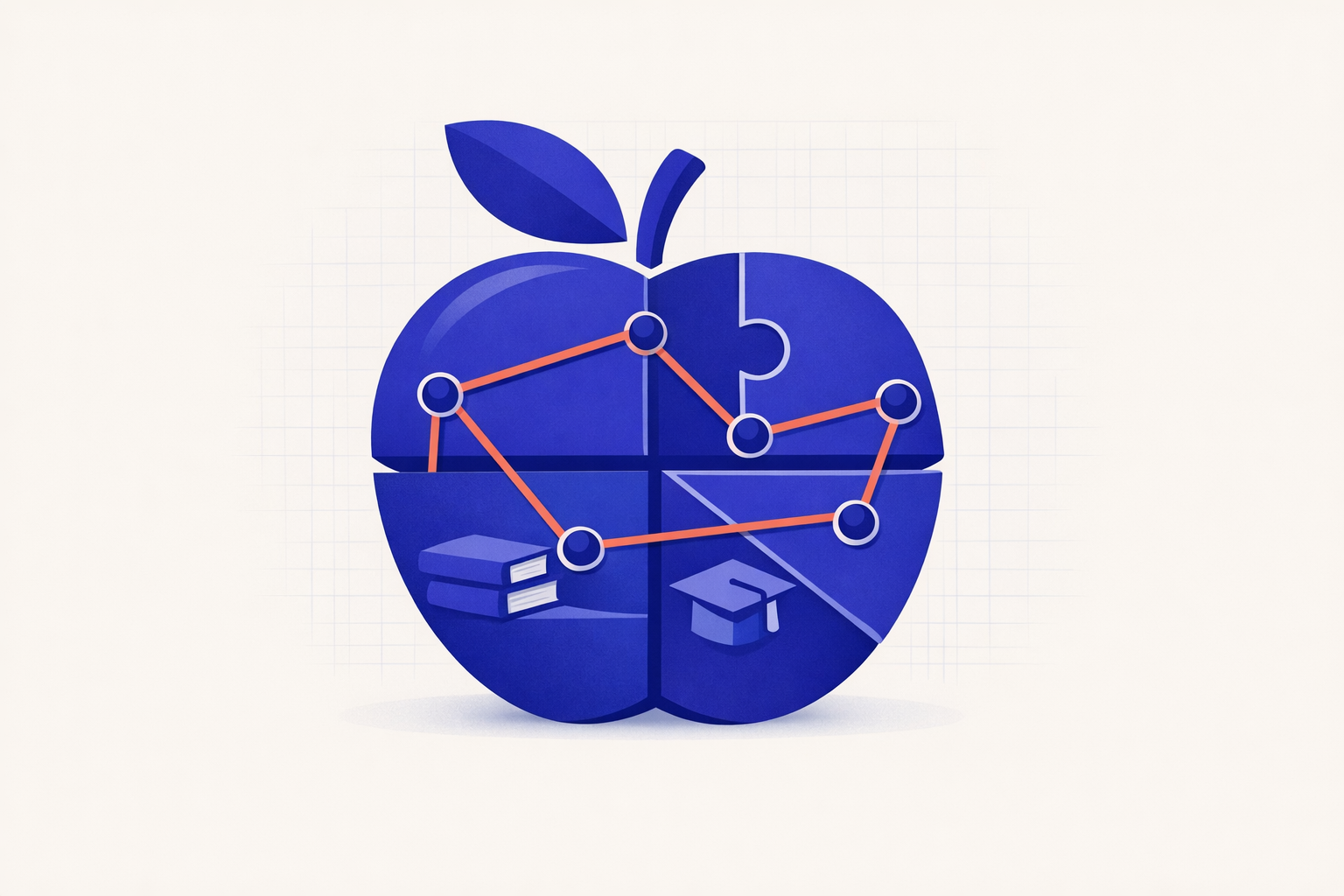
The emergence of educational technology (EdTech) companies integrating artificial intelligence (AI) signifies a pivotal shift towards personalized education. This evolving intersection of AI and EdTech—termed "AI in EdTech Personalization"—is revolutionizing how knowledge is imparted and experienced in educational settings. By harnessing the capabilities of AI, these companies enhance the individualized learning journey, tailoring experiences to match the unique learning styles, paces, and interests of each student.
A prominent example of this convergence is the implementation of adaptive learning models, which are primarily championed by EdTech companies. These innovative, AI-enhanced models move away from the traditional ‘one-size-fits-all’ educational approach. Instead, they focus on identifying students' knowledge gaps and adjusting content accordingly. This entails designing customized teaching styles and content, thus enriching the overall learning experience. For instance, DreamBox Learning employs AI-driven adaptability to provide personalized math lessons, fundamentally changing the landscape of conventional pedagogy.
At the core of this evolution lies data-driven personalization. EdTech platforms leverage AI-powered solutions to analyze distinct learning patterns and performance metrics derived from a wealth of student data. This intelligence informs the adaptive educational models that deliver tailored content aligned with the learner's specific abilities and preferences—similar to how Netflix curates content for its users.
Ancillary Purposes of AI in EdTech Personalization:
-
Student Analytics: AI plays a crucial role in generating insightful student analytics, evaluating metrics such as engagement levels. This offers a qualitative view of learner interactions.
-
Teacher Enabling Tools: The integration of AI in EdTech equips educators with tools designed to streamline their tasks, enhance their teaching capabilities, and alleviate administrative burdens.
Note: Despite AI’s pivotal role in advancing educational personalization, challenges remain. Issues such as implementation hurdles, privacy concerns, and fears surrounding the replacement of human tutors with machine learning models accompany these advancements.
In conclusion, the landscape of AI in EdTech personalization is continually evolving, transforming the conceptualization and delivery of education. This transformation equips students to navigate the complexities of an ever-changing world more effectively. As we delve deeper, we will further explore how the convergence of AI and EdTech is reimagining personalized learning.

Unraveling the Potential of AI in EdTech
Artificial Intelligence (AI) is driving a paradigm shift in the education sector. EdTech companies are leveraging the power of AI to pioneer personalized learning, effectively disrupting the traditional one-size-fits-all approach.
AI-Powered Adaptive Learning Models
At the core of this transformation is the development of AI-powered adaptive learning models. These models are designed to identify distinct learning styles, uncover specific knowledge gaps, and implement a tailored teaching approach. Such adaptive learning AI effectively decentralizes the traditional education system, replacing it with a flexible, student-centered learning environment.
Example: A notable instance of this innovation is DreamBox Learning, an EdTech company that excels in adaptive learning for mathematics. By leveraging AI, DreamBox delivers customized lessons that cater to each individual's proficiency level and learning pace.
Data-Driven Personalization and Content Recommendations
Data-driven personalization has become fundamental to the operational framework of EdTech AI. By harnessing the capabilities of AI-driven analytics, EdTech companies can analyze vast datasets to identify unique learning patterns, performance metrics, and specific areas for improvement.
This personalized intelligence serves as the foundation for emerging content recommendation systems. AI algorithms sift through this data to create and deliver customized, dynamic educational content that aligns with a student's comfort zone. The system tailors its content recommendations according to the student's specific learning trajectory, epitomizing the essence of AI-driven personalized learning.
Student Analytics and Engagement Gains
Another promising frontier for AI in EdTech is the generation of relevant student analytics. AI algorithms can monitor and analyze patterns of student engagement, allowing educators to adapt their methodologies based on each student's learning curve. This flexibility results in significant engagement gains, further advancing the student's intellectual development.
AI Teacher Tools
Moreover, AI is revolutionizing the tools available to educators. AI-driven predictive analytics enable teachers to monitor student performance effectively, flagging potential issues. Such tools facilitate timely academic intervention, allowing for prompt corrective measures.
AI in EdTech: Implementation Challenges and Privacy Concerns
While the prospects of AI in EdTech are indeed promising, they are not without their challenges. Implementation hurdles often arise from a lack of digital infrastructure or resistance from traditional educators. Additionally, the integration of AI raises valid privacy concerns regarding the potential misuse of student data.
As EdTech continues to integrate with AI, it presents transformative pedagogical opportunities. Despite the challenges related to implementation and privacy, AI's ability to foster personalized, adaptive learning environments represents an exciting frontier in education. The next leap in learning lies at the intersection of innovative EdTech companies and transformative AI methodologies. The future of education is undoubtedly looking more "intelligent."
Data-Driven Personalization: AI in EdTech's Key Instrument
The integration of Artificial Intelligence (AI) and Educational Technology (EdTech) is driving a significant wave of personalization across the education sector. This fusion, referred to as "edtech ai," is profoundly transforming the way learning is tailored to individual student needs and preferences.
At the heart of this transformative shift lies the concept of data-driven personalization. EdTech companies are leveraging AI-driven algorithms to analyze vast amounts of student data, uncovering unique learning patterns. The insights gained from this analysis form the foundation for personalized content recommendations, akin to Netflix's tailored show recommendations.
The Magic Behind Student Analytics
The AI algorithms utilized by EdTech companies collect and assess a wide range of student performance metrics, engagement levels, and learning patterns. Sophisticated techniques such as machine learning and predictive analytics enable these algorithms to interpret student behavior, academic proficiency, and areas needing improvement. With this understanding, content is continually aligned and updated to correspond with each student's unique learning trajectory.
Fueling Engagement through Adaptive Learning Models
The value of AI in education extends beyond mere analysis of student data; it invigorates the development of dynamic, AI-powered adaptive learning models. These models can:
- Identify gaps in learners' understanding
- Adapt teaching strategies
- Tailor content to match each student's proficiency level
In doing so, they effectively embody ai personalized learning. By consistently adjusting content delivery, EdTech companies ensure high engagement levels among learners. The essence of education technology AI resides in its ability to create courses that are not only relevant but wholly customized to individual learning needs.
Enabling Teachers with AI-Driven Tools
A noteworthy aspect of edtech ai is its ability to assist teachers in identifying student learning patterns, preferences, and performance gaps. > Tip: Armed with this knowledge, educators can provide tailored feedback and guidance, thereby enhancing the effectiveness of ai personalized learning.
Challenges in Implementing AI in EdTech
Despite its promise, the implementation of AI in EdTech comes with its own set of challenges. Balancing personalized learning efforts with privacy concerns and addressing the interests of various stakeholders amidst technological changes are critical issues that EdTech companies must navigate.
In conclusion, AI in EdTech holds immense potential to shape the future of personalized learning. By leveraging data-driven insights into student behavior and employing adaptive learning models, EdTech companies aspire not only to revolutionize education but to inspire learning that resonates personally with each individual student.
The Significant Role of Student Analytics in AI Personalization
In the realm of AI in EdTech personalization, understanding the student is the cornerstone of effective personalization. The integration of AI enhances this process by providing advanced methods to analyze large datasets and generate actionable AI student analytics.
Adaptive Learning AI: A Core Driver of Student Analytics
At the heart of AI personalization in the EdTech sector lies adaptive learning AI. These AI-driven models deliver robust, real-time analytics about learners across various dimensions. This adaptive approach captures student interaction levels, responsiveness to different learning styles, and measures their proficiency parameters. Such an in-depth understanding of students forms the foundation for developing personalized learning interventions, or EdTech AI solutions.
Nuts and Bolts of AI Student Analytics
AI student analytics offer detailed insights into:
| Insight Type | Description |
|---|---|
| Learning gaps and student understanding | Identifies areas where students encounter difficulties. |
| Student responsiveness to varied teaching styles | Assesses how students react to diverse instructional methods. |
| Pace of learning and proficiency levels | Evaluates the speed and competency of students in specific subjects. |
| Distinct learning patterns and preferences | Reveals unique metrics that enhance engagement. |
This granular focus on the learner contributes significantly to the challenging task of personalization.
Leveraging Student Analytics for Personalized Learning
With a clear understanding of student learning analytics, AI technologies can more precisely address individual learning needs. This high-resolution view of the learner's knowledge state empowers AI systems to craft truly personalized learning paths.
For example, AI can be utilized to:
- Tailor learning materials that align with the student's competencies and interests.
- Dynamically adjust the presentation style, lesson complexity, and pace in response to the learner's engagement and responsiveness.
- Provide timely and customized feedback to promote a healthy learning cycle and maintain student motivation.
This creates a learning environment akin to "academic Netflix," offering learners a personalized catalog of educational content.
The Impact of AI Analytics: Bridging the Theory-Practice Gap
The implementation of AI-powered student analytics clearly holds the potential to bridge the gap between theoretical pedagogy and practical learning experiences. However, this journey is not without its challenges. Navigating the complexities of data privacy, aligning AI systems with teaching methodologies, and integrating human insights with AI outputs can complicate implementation.
Nonetheless, this blend of EdTech AI powered by student analytics serves as an essential tool that fosters personalized learning, paving the way for a future where technology truly democratizes education.
In conclusion, AI student analytics represent a fundamental shift in instructional methodologies and provide an optimistic outlook for the future of personalized education. By harnessing this technology, curriculum developers, educators, and EdTech companies can effectively address individual learning needs— heralding a new era of student-centered learning driven by AI.
Challenges and Considerations in Implementing AI in EdTech Personalization
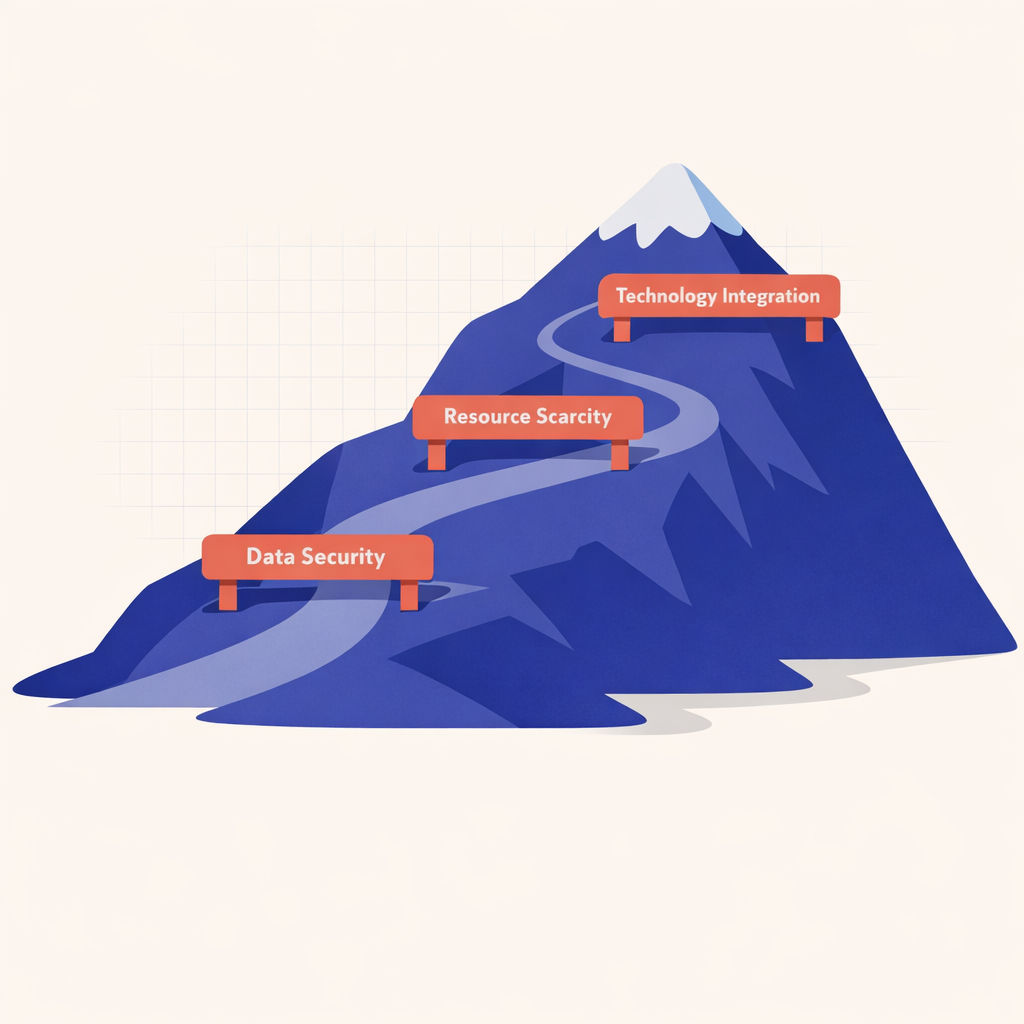
Embracing the transformative power of AI in EdTech personalization presents several complexities. While the integration of AI and EdTech is highly promising, it is essential to recognize the challenges that may arise in this relationship and consider effective management strategies.
Confronting Data Privacy and Security: A Paramount Concern
At the core of AI-driven personalized learning is the handling and processing of vast amounts of sensitive student data. The management, storage, and protection of this data is of utmost concern. To ensure robust privacy and security, EdTech companies must:
- Incorporate state-of-the-art encryption methods
- Implement stringent data protection protocols
- Adhere to legal requirements, such as GDPR, to establish comprehensive consent mechanisms and uphold rights related to data access, correction, and deletion.
Balancing Teacher Tools with Technological Acceptance
The objective of EdTech AI is to complement, rather than replace, teachers, enhancing their capabilities for differentiated instruction and adaptive learning. However, the integration of AI into traditional teaching may encounter resistance due to factors such as:
- Technological anxiety
- Lack of technical literacy.
As a result, rigorous teacher training and the development of user-friendly AI interfaces are crucial to overcoming these adoption challenges.
Overcoming Implementation Complexities
The intricate nature of AI poses significant challenges for its implementation in educational technology. Seamless integration requires:
- Synchronization with existing educational infrastructure
- Addressing potential compatibility issues
- Bridging technological gaps
- Ensuring consistent, high-quality internet access.
Additionally, the continuous learning and evolving nature of AI systems necessitates ongoing monitoring and maintenance, further complicating the adoption process.
Managing Ethical Applications of AI
EdTech companies must also address the ethical implications of AI and the potential for biases in algorithms. It is imperative that algorithmic decisions promote fairness and inclusion, avoiding any discriminatory practices that could disadvantage students.
Tip: The strategic excellence of EdTech companies will be assessed by their ability to harness the potential benefits of AI while adeptly navigating its inherent challenges.
Ultimately, recognizing and addressing these challenges is vital for successful implementation of AI in EdTech personalization. Fortunately, these obstacles can be surmounted. By deploying effective strategies, showcasing technological capabilities, providing robust teacher training, instituting stringent data protection measures, and committing to ethical practices, EdTech companies can adeptly navigate these challenges and maximize the potential of AI to enhance personalized learning experiences.
In the next section, we will explore real-world examples of EdTech companies that have successfully leveraged AI to enrich student learning experiences.
Practical Examples of AI in EdTech Personalization
Artificial Intelligence (AI) has revitalized the vision of personalized learning within education technology (EdTech). Through a range of practical applications, AI has transformed how EdTech companies approach educational experiences. Let's explore some real-world examples that highlight the significant impact of AI on EdTech and the ways it enhances personalized learning.
DreamBox Learning: AI Empowering Adaptive Learning
A prime example of AI personalized learning is DreamBox Learning. This EdTech company has harnessed education technology AI to deliver customizable math lessons that emphasize AI's ability to individualize the instructional process. DreamBox Learning's algorithms not only assess a student’s proficiency and learning pace but also adapt the content accordingly. This iterative and responsive teaching model exemplifies the potential of adaptive learning AI to tailor educational experiences, showcasing the considerable advancements EdTech has made toward true personalization.
Content Recommendations and Student Analytics
The success of AI personalized learning relies on the ability to leverage AI for relevant recommendations and insightful AI student analytics. AI's capability to analyze vast amounts of student data transforms an EdTech platform into an "academic Netflix," suggesting content based on patterns and preferences derived from student behavior. This customization accommodates diverse learning styles, paces, and interests, fostering a responsive and enriching educational environment.
Tip: Utilizing AI for personalized recommendations can significantly enhance student engagement and learning outcomes.
AI-driven Engagement Gains
Incorporating AI into EdTech also offers the potential to boost student engagement. For example, Noodle.ai utilizes AI to forecast student engagement over time. Their methodologies employ sophisticated prediction algorithms that analyze historical student data to identify risk factors associated with decreased engagement, enabling educators to implement timely and constructive interventions.
AI in Teacher Tools: Querium Corporation
Another notable example of EdTech AI application is found in Querium Corporation. Their platform leverages AI algorithms to replicate the experience of one-on-one tutoring, equipping teachers with AI-assisted feedback mechanisms. This approach facilitates continuous assessment of student understanding, allowing for more timely and targeted interventions.
Despite the excitement surrounding these innovative applications, the practical implementation of AI in EdTech poses several challenges, including concerns about privacy, data security, and scalability. However, as the sector advances toward AI-driven personalized learning, these challenges may evolve into opportunities for further innovation.
FAQs
1. Are all EdTech solutions personalized?
Not all EdTech solutions offer personalized learning experiences. However, the growing integration of AI technologies is accelerating the trend towards individualized instruction.
2. Does AI replace teachers in personalized learning?
AI does not replace teachers; rather, it serves as a tool that enhances teacher effectiveness. By providing valuable insights into student performance and automating routine tasks, AI allows educators to devote more time to direct interaction with students.
3. How does AI address data privacy in education?
Data privacy is a critical concern in the integration of AI within education. EdTech companies can mitigate potential data breach risks by implementing stringent data protection measures and adhering to privacy laws.
Note: The future of EdTech is likely to rely heavily on AI. The numerous examples of successful implementation demonstrate AI's tremendous potential to create learning environments tailored to the individual. As technology continues to advance, the role of AI in personalizing education is expected to expand, setting new standards of excellence in learning outcomes.
Conclusion: The Future of AI in EdTech Personalization
Artificial Intelligence (AI) has revolutionized the landscape of education technology (EdTech), making personalized learning more accurate, engaging, and effective. As AI technology continues to evolve, its potential in EdTech personalization appears boundless.
With advancements in AI technologies becoming increasingly sophisticated, these systems are better equipped to provide highly personalized learning experiences. In envisioning the future of AI in education, we can anticipate EdTech solutions that optimize the learning process through the implementation of nuanced user models and sophisticated predictive algorithms.
These innovations will empower AI to understand and adapt to individual learners' needs with greater precision. This evolution will pave the way for more immersive and engaging learning experiences in EdTech powered by AI, ultimately enhancing student outcomes and lowering barriers to education.
Moreover, the integration of AI directly into digital content resources can lead to transformative changes. Such integration could allow education technology AI to dynamically guide learners through educational materials, tailoring the experience to meet their unique learning requirements.
Despite the considerable promise of AI in education, we must prioritize essential considerations. For example, there is a risk that AI-powered EdTech solutions may widen the educational gap among students, depending on their access to AI-enhanced learning tools.
Another vital consideration is the challenge of ensuring robust privacy and data protection, which must remain a focal point in the future of EdTech AI. As education technology AI expands, it is crucial to thoughtfully evaluate how data is utilized, stored, and safeguarded.
"As education technology evolves with AI, so too should considerations around equitable access, privacy, and security."
Finally, while we look forward to advancements in AI, we must temper our expectations. Although AI-powered personalization holds remarkable potential, it is vital to recognize that AI is intended to augment—not replace—traditional teaching practices. Human oversight, intuition, and emotional intelligence continue to be fundamental elements of effective pedagogy.
FAQ
1. What is the future of AI in EdTech personalization?
As AI matures, the future of EdTech may include more precise personalization, direct integration of AI into digital content, and increasingly engaging digital learning experiences. However, it is essential to address challenges such as ensuring equitable access to technology and robust data protection.
2. What does the future of EdTech AI mean for teachers?
The future role of AI in EdTech is not to replace educators. Rather, technologies like AI-powered personalized learning aim to enhance traditional teaching methods, providing valuable insights that allow teachers to focus on their core mission: inspiring and engaging students.
3. What are some potential concerns for the future of AI in EdTech?
Key concerns regarding the future of AI in EdTech include equitable access to AI learning tools, data protection, privacy issues, and the need to ensure that AI tools serve to supplement—rather than replace—human teachers.
In conclusion, the journey of AI in EdTech personalization is ongoing, characterized by remarkable promise alongside genuine concerns. Our objective moving forward should be to leverage the power of AI to transform and enhance educational experiences while vigilantly prioritizing inclusivity, ethics, and privacy.
Make Imversion a preferred source on Google
Like this kind of AI and software analysis? Add Imversion as a preferred source so Google can highlight our articles for you in Search, AI Overviews, and AI Mode.