SaaS Application Development: Mastering Scalable Architecture
Unlock the potential of SaaS application architecture with key insights on scalability, multi-tenancy models, and more. Build your SaaS app efficiently!

Introduction to SaaS Application Architecture
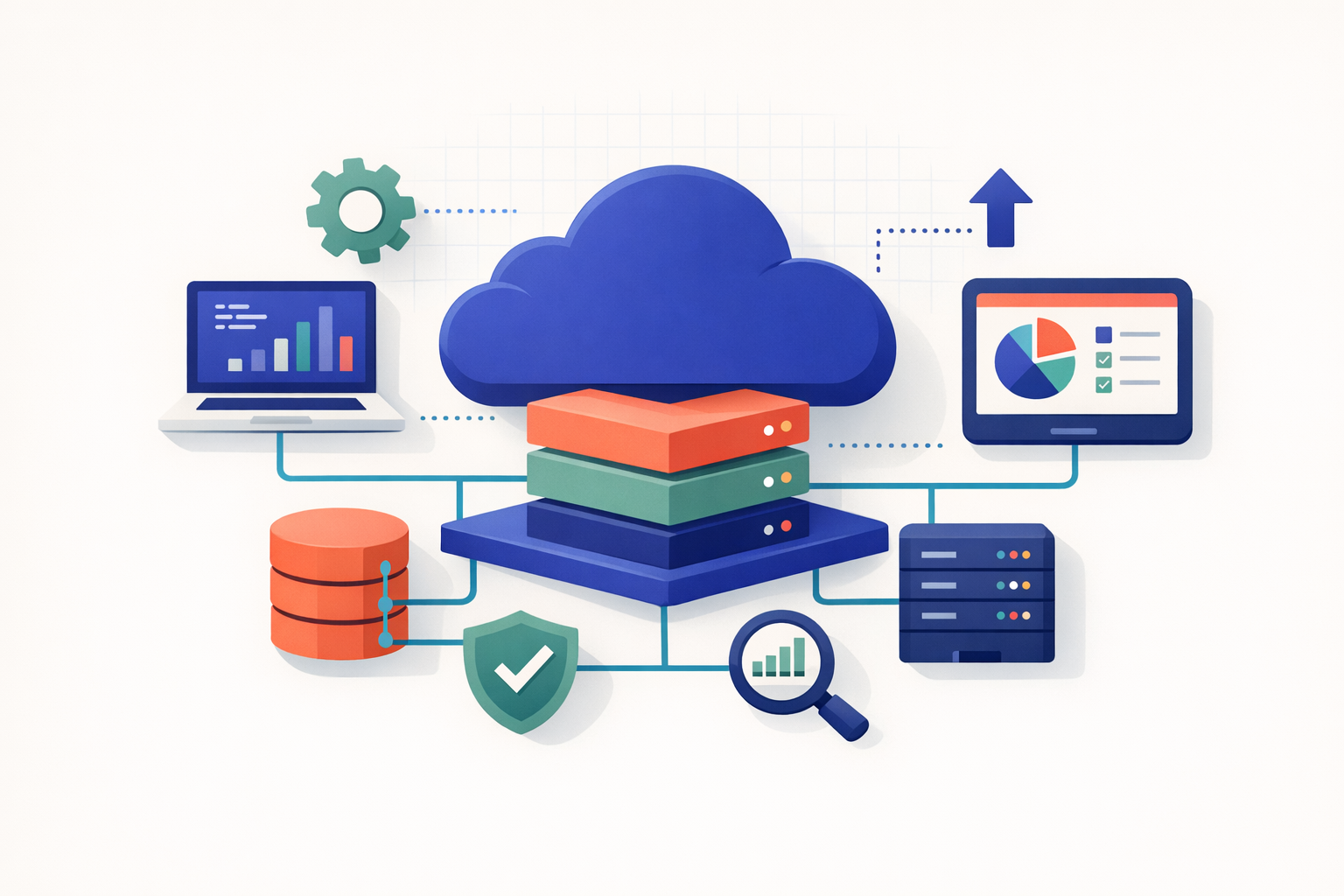
The landscape of software development, delivery, and utilization has significantly evolved over the past decade. A major contributor to this transformation is Software as a Service (SaaS). In today’s digital age, understanding SaaS and leveraging its capabilities is imperative. To build an effective and scalable solution, it is essential to explore the intricacies of SaaS application architecture.
At its core, SaaS shifts the responsibility of managing software and its underlying infrastructure from the user to the service provider. This innovative approach frees businesses from the burdens of installing, maintaining, and updating software applications, allowing them to concentrate on their core operations. However, this transition necessitates that development teams adopt new patterns and practices in the SaaS development process.
A defining characteristic of SaaS is its distinctive application architecture. By leveraging the power of the cloud, SaaS architecture enables multiple users to access a single version of an application. This model, known as multi-tenancy, is a foundational feature that distinguishes SaaS from other software delivery methods. Adopting multi-tenant architecture leads to more efficient resource utilization and potentially significant cost savings.
Important Tip: The journey of building a SaaS application goes beyond multi-tenancy. Familiarity with various SaaS Architecture Patterns is crucial for effectively scaling your application.
You will encounter essential concepts such as horizontal and vertical scaling, which are vital for accommodating the growth of your application, whether in user count, data volume, or transaction frequency.
Another vital component of SaaS architecture is database design. A well-structured database is critical, especially in a multi-tenant environment, where data from different tenants must be securely separated and protected.
Designing a SaaS application is fraught with challenges. Each element—from selecting the right API strategy to ensuring security and managing billing—requires meticulous planning and effective strategies. Ultimately, a customer's choice to prefer your SaaS solution over others hinges on features, performance, pricing, and, most importantly, the user experience with your application.
As we move forward, we will delve deeper into the strategies and practices associated with SaaS development, sharing valuable insights to help you avoid common pitfalls and create a robust, scalable SaaS application.

Unraveling SaaS Application Architecture
At the core of every successful SaaS product lies a well-structured and agile architecture that empowers businesses to develop and scale their applications effectively. In this section, we will explore SaaS application architecture, its components, development intricacies, and the architectural patterns that ensure scalability.
Multi-Tenancy: The Foundation Stone of SaaS
The backbone of a typical SaaS architecture, multi-tenancy enables organizations to build SaaS applications that can serve multiple users or 'tenants' simultaneously, using a single instance of the software. This distinctive capability promotes efficient resource utilization and reduces costs.
Important Tip: When designing the multi-tenant architecture, it is crucial to ensure that each tenant's data is both separated and secured. This requirement necessitates a robust database schema design, which is a critical aspect of SaaS development.
Mastering Scalability Patterns
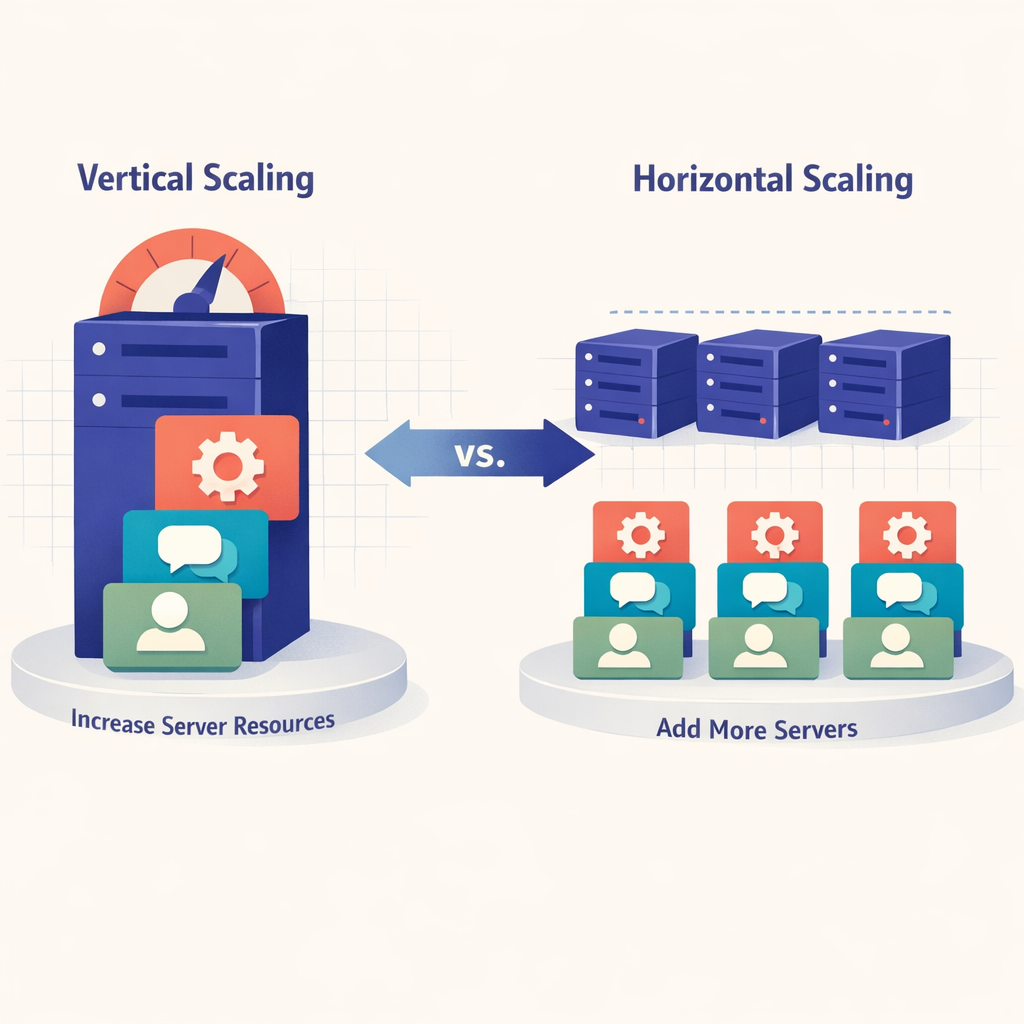
To build a SaaS application that withstands the test of time and accommodates increasing demand, your architecture must support scalability—the ability to handle growth in users, data, and transactions. There are two primary methods to achieve this:
| Scaling Method | Description |
|---|---|
| Horizontal Scaling | Adding more servers to manage growing traffic. |
| Vertical Scaling | Enhancing the capacity of existing servers to accommodate increased demand. |
Whether you choose horizontal or vertical scaling, the strategy should optimize costs and resource usage while ensuring seamless application performance.
Deciphering Database Design
A crucial aspect of SaaS application development is perfecting the database design. SaaS applications can opt for SQL (relational) or NoSQL (non-relational) databases, depending on the specific data requirements of the application.
A well-designed database not only ensures data security but also effectively manages multi-tenancy—a foundational requirement in SaaS architecture.
API Strategy: The Building Blocks of Interoperability
In an interconnected IT ecosystem, APIs have emerged as the essential building blocks for seamless integrations. A robust API strategy enables your SaaS application to connect with other applications and services. The interoperability facilitated by APIs enhances your SaaS offering's capabilities and significantly improves user experience.
In summary, SaaS application architecture serves as a roadmap for creating resilient, scalable, and integrated software solutions. The principles of multi-tenancy, scalability, database design, and API strategy should guide your SaaS development journey, alongside a strong emphasis on security, billing, DevOps, and performance.
By understanding these elements and avoiding common pitfalls, your organization can create a SaaS offering that effectively scales, meeting the growing demands of your expanding customer base.
Guidelines to Build a Robust SaaS App
Building a high-performing SaaS app involves numerous interconnected processes. When executed effectively, these processes can lead to a product that not only meets market needs but also scales efficiently as the user base expands. This section aims to navigate you through the complexities of building SaaS applications, covering the essential components of SaaS development and exploring various SaaS architecture patterns.
Gathering Requirements
Before embarking on the journey to build a SaaS app, it is crucial to gain a comprehensive understanding of your potential users, their needs, and the problems your product aims to address. This foundational phase lays the groundwork for the app. Conduct extensive research, including:
- Interviews with potential customers
- Competitive market analysis
- SWOT (Strengths, Weaknesses, Opportunities, Threats) review
Strategically align this information to create a well-defined vision for your SaaS product.
Tip: Engage with potential users early in the process to validate your assumptions and refine your product vision.
Choosing the Right Tech Stack
The selection of a compatible tech stack is a vital aspect of SaaS development. This choice should align with your app's core requirements and scalability goals. Keep in mind that the right tech stack not only facilitates the development process but also influences:
- Performance
- End-user experience
- Opportunities for enhancement
Adopting the Multi-Tenant Architecture
A key SaaS architecture pattern to consider is multi-tenancy. With multi-tenant architecture, you develop a single version of the app that is shared by multiple users (tenants). This approach optimizes resource utilization and reduces costs, while necessitating a well-designed database schema to ensure the security of each tenant's data.
Developing and Testing
Once you have established the tech stack and architecture, the building phase of your SaaS app commences. This phase typically unfolds in cycles, segmented into small tasks or sprints. The development team works on specific components of the app, followed by rigorous testing to assess performance, identify bugs, and address security issues.
The importance of thorough testing cannot be overstated. It should encompass various browsers, devices, and conditions to ensure comprehensive compatibility.
Wrapping Up the Develop-Test Cycle
After completing the development and testing cycles and achieving confidence in your app’s performance, your product is ready for deployment.
In conclusion, building a robust SaaS app is a complex yet rewarding endeavor. By understanding user requirements, selecting an appropriate tech stack, and adopting a multi-tenant architecture, you lay the foundation for a scalable and resilient application. Extensive testing guarantees a seamless user experience while preparing for scalability positions your app for future success in a competitive market. With these guidelines for building a SaaS app, you are well on your way to developing an effective, high-performance product. Stay tuned for more insights into SaaS Application Development and strategies for architecting scalability.
Exploring Multi-Tenant Architecture in SaaS
Multi-tenant architecture is fundamental to the development of SaaS applications. It serves as the operational backbone of SaaS development, promoting efficiency and cost reduction through its unique capabilities.
The Merits of Multi-Tenant Architecture
A distinguishing feature that sets SaaS apart from traditional software delivery models is its multi-tenant architecture. This configuration allows a single instance of a software application to serve multiple users or "tenants." Such an approach embodies efficiency, as it requires only one version of the application to be maintained, catering to the needs of all tenants.
Moreover, it drives significant cost savings by eliminating the necessity for separate resources for each tenant. Consequently, the per-unit cost of software delivery decreases markedly, enabling SaaS vendors to offer their products at competitive prices while remaining profitable.
Riding the Wave of Scalability
One of the most compelling advantages of multi-tenant architecture is its inherent scalability. As every SaaS provider aspires to develop applications capable of naturally accommodating growth, they utilize various architecture patterns, including multi-tenant architecture, to ensure scalability.
Scalability can manifest in several ways:
- Handling increased user counts
- Managing larger data volumes
- Processing more transactions
Key strategies to achieve scalability include:
- Horizontal scaling: Adding more servers as required
- Vertical scaling: Enhancing the capacity of existing servers
Navigating Database Design
Designing a secure and robust database structure is essential for the success of a multi-tenant SaaS application, although it may present certain challenges. Careful consideration is necessary when selecting a database, whether SQL (relational) or NoSQL (non-relational), as each option has its unique set of advantages and disadvantages. Central to this decision is the imperative to separate and safeguard the data of different tenants, which is critical for building trust in the SaaS service.
A notable challenge in multi-tenant SaaS development lies in maintaining a careful balance among database design, cost-efficiency, and scalability.
Frequently Asked Questions
While multi-tenant architecture is vital, it can raise several questions. Here are answers to some of the most common inquiries:
- Is it safe to share an application among all users? Yes, the architectural design ensures the segregation of each tenant's data.
- Does it affect app performance? When correctly implemented, this architecture can significantly enhance app performance by effectively utilizing resources.
Embarking on the journey to build a SaaS application utilizing multi-tenant architecture presents a steep learning curve. However, once navigated, it offers a scalable, efficient, and cost-effective solution that justifies the initial investment of time and resources.
SaaS Scalability Patterns: Ensuring Growth Readiness
Scaling is fundamentally an architectural pattern that is critical in SaaS development. Regardless of your user base size or the data and transaction volume your application manages, the ability to scale effectively distinguishes a successful SaaS application from its competitors. In this section, we will explore two primary scaling strategies: horizontal and vertical scaling, which serve as the foundation for managing growth in any SaaS solution.
Understanding Vertical and Horizontal Scaling
To build a scalable SaaS application effectively, it is essential to understand the key distinctions between vertical and horizontal scaling:
| Scaling Type | Description |
|---|---|
| Vertical Scaling | Also known as 'scaling up,' this strategy involves increasing the capacity of your existing servers. In essence, you enhance your current infrastructure to accommodate additional load, which may involve adding more powerful CPUs or increasing memory capacity. Although this approach is straightforward and manageable, it can eventually reach a limit based on hardware capabilities. |
| Horizontal Scaling | Referred to as 'scaling out,' this strategy entails adding more servers to your existing pool to distribute the system's load. Each additional server effectively multiplies the overall capacity of the system. While this strategy offers the flexibility to handle increased demand, it may necessitate advanced load balancing techniques and more complex management. |
Recognizing the Right Scalability Model
Each approach offers its own set of advantages and challenges. The choice of whether to adopt one strategy over the other, or to employ a hybrid approach, depends on several factors:
-
App Architecture: If your SaaS architecture is monolithic, vertical scaling might be a suitable option. Conversely, a distributed or microservices architecture is more likely to benefit from horizontal scaling.
-
Cost Factor: While vertical scaling may initially appear to be cost-effective, the long-term costs associated with upgrading hardware can escalate. On the other hand, horizontal scaling may entail higher upfront expenses, but it often represents a more sustainable solution in the long run, as cloud resources can be expanded as needed.
-
Maintenance and Downtime: Vertical scaling typically requires downtime during hardware upgrades, whereas horizontal scaling, if managed properly, can facilitate near-zero downtime.
Tip: To ensure readiness for growth, a successful SaaS application should prepare for both horizontal and vertical scaling, integrating these considerations into a comprehensive scalability strategy.
In conclusion, understanding and judiciously implementing these scalability patterns is crucial in SaaS development. This approach enables us to create a SaaS application that not only adapts to increasing demand but also ensures a seamless user experience and consistent service availability, thereby securing the long-term success of the SaaS solution.
Mastering Database Design for SaaS Applications
When embarking on the journey of SaaS platform development, particularly in building a SaaS application, one of the crucial aspects that is often underrepresented is the design of the database. This consideration becomes even more critical in a multi-tenant setup, where data segregation and security are paramount. While challenges may arise when designing a robust database structure for such configurations, the rewards in terms of scalability and efficiency often far outweigh those challenges.
Relational vs NoSQL: Finding a Fit
Given the implications of SaaS development, the choice of database should address both current and future needs. The primary debate revolves around SQL (relational) databases versus NoSQL (non-relational) databases.
| Database Type | Example Databases | Key Characteristics |
|---|---|---|
| SQL | PostgreSQL, MySQL | Structured approach with ACID (Atomicity, Consistency, Isolation, Durability) properties. |
| NoSQL | MongoDB, CouchDB | Scalability, flexible schema, and suitability for Big Data or dynamic data structures. |
When choosing a database for your design, consider the following factors:
- Scalability: As your data grows, can the database efficiently handle the increased load?
- Security: Does the chosen model provide sufficient granularity for managing data access and user permissions?
- Cost: Are the management, maintenance, and scaling costs aligned with your budget projections?
Multi-tenancy: Architecture that Impacts Database Design
In multi-tenant SaaS applications, the isolation of tenant data is essential. The three most widely used models for multi-tenant data architecture are:
- Separate Databases: Each tenant has its own database. While this approach offers superior isolation, it can become inefficient with a large number of tenants.
- Shared Database, Separate Schemas: Each tenant shares a single database but has a separate schema. This model strikes a balance between efficiency and isolation.
- Shared Database, Shared Schema: All tenants share both the database and the schema. While this is the most efficient approach, it carries the greatest risk of data leakage.
Your selection among these models will significantly impact your SaaS application's scalability, performance, and cost structure. Therefore, a thorough analysis of your application's requirements and anticipated growth is strongly recommended prior to making a decision.
In conclusion, mastering database design is an ongoing process throughout a SaaS application's lifecycle. Exploring various architectural models and carefully considering your specific needs will guide you towards a solution that facilitates scalability, ensures security, and optimizes costs. Regardless of the path you choose, regular reviews and adaptability should be the guiding principles for success in your SaaS venture.
Tying it all Together: Creating a Dynamic SaaS Application Architecture
In the rapidly evolving software landscape, constructing a robust and scalable SaaS application architecture can be a key differentiator that drives the success of your SaaS application.
As we've observed, building a SaaS app is a complex endeavor. However, understanding the key architectural components can help ensure a smoother development process. The multi-tenant architecture offers efficiency and cost benefits, while various SaaS architecture patterns provide the scalability necessary to manage increasing:
- User counts
- Data volumes
- Transactions
Addressing the challenges associated with database design for multi-tenant environments is crucial. Equally important are formulating a robust API strategy, implementing stringent security measures, and adopting efficient billing systems. Achieving this balance necessitates a comprehensive understanding and careful planning.
Tip: Don't allow the technical complexities to overwhelm you. By focusing on the internal mechanics of the application and treating them as a product, you can establish a solid foundation for your SaaS development journey. Consider the needs of the end user, analyze successful SaaS models, and remain updated on the latest trends in SaaS architecture to enhance your progress.
In conclusion, embarking on the journey to build and scale a SaaS application demands a meticulous approach. However, the rewards of a well-executed SaaS application architecture are significant. As we witness an accelerating shift towards SaaS, arming yourself with this knowledge is not merely advantageous—it's essential.
Remember that learning is a continuous process, and practical implementation is the best teacher. Keep exploring, keep innovating, and together, we can build scalable SaaS solutions that deliver true value for users.
"Truly understanding your SaaS architecture is akin to knowing the blueprint of your house. You know where everything is, how it operates, and how to fix it when something goes wrong."
Make Imversion a preferred source on Google
Like this kind of AI and software analysis? Add Imversion as a preferred source so Google can highlight our articles for you in Search, AI Overviews, and AI Mode.
