Mastering LLM Integration in the Enterprise: A Comprehensive Guide
Dive into our expert guide on LLM integration in enterprises. Learn key strategies, best practices, and FAQs to transform your operations with AI.

Introduction to LLM Integration in Enterprises
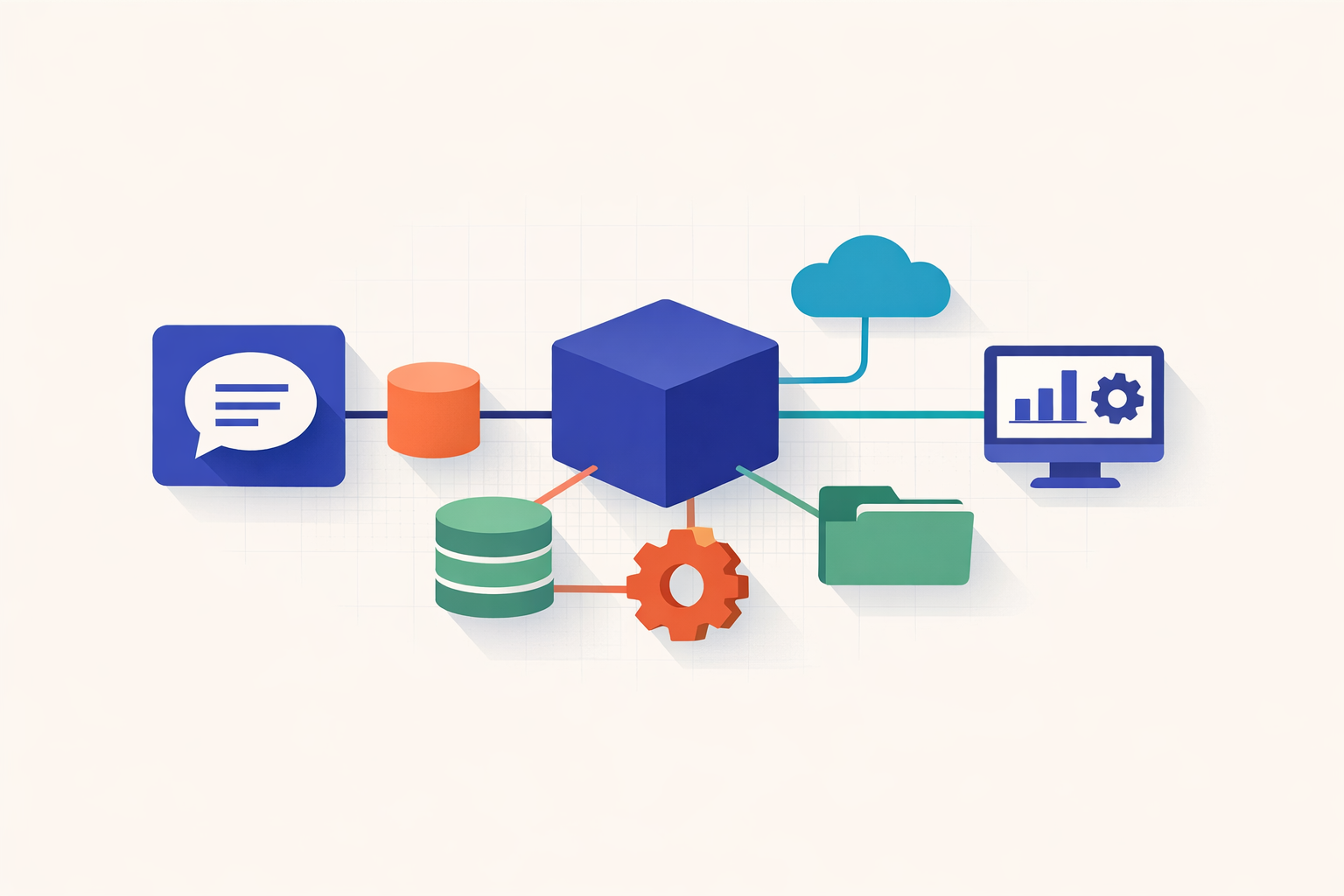
In an era defined by artificial intelligence and machine learning, the integration of Language Models (LLMs) has begun to significantly influence enterprises across various sectors. This primary guide serves to outline the essential aspects of LLM integration in enterprises, demonstrating how you can seamlessly incorporate LLMs into your organization. Our objective is to equip you with a comprehensive toolset that can transform your business operations through enterprise AI integration.
LLM as a Powerful Infrastructure Tool
LLMs should be regarded as more than mere add-ons; they are versatile infrastructure tools that, when integrated into your enterprise, can yield numerous benefits. Whether you're seeking advanced features such as predictive text or sentiment analysis, incorporating an LLM will undoubtedly:
- Boost user experiences
- Enhance customer interactions
- Facilitate smarter decision-making
This enhancement in capabilities can propel your operations into a new era.
Integration Patterns and Model Tradeoffs
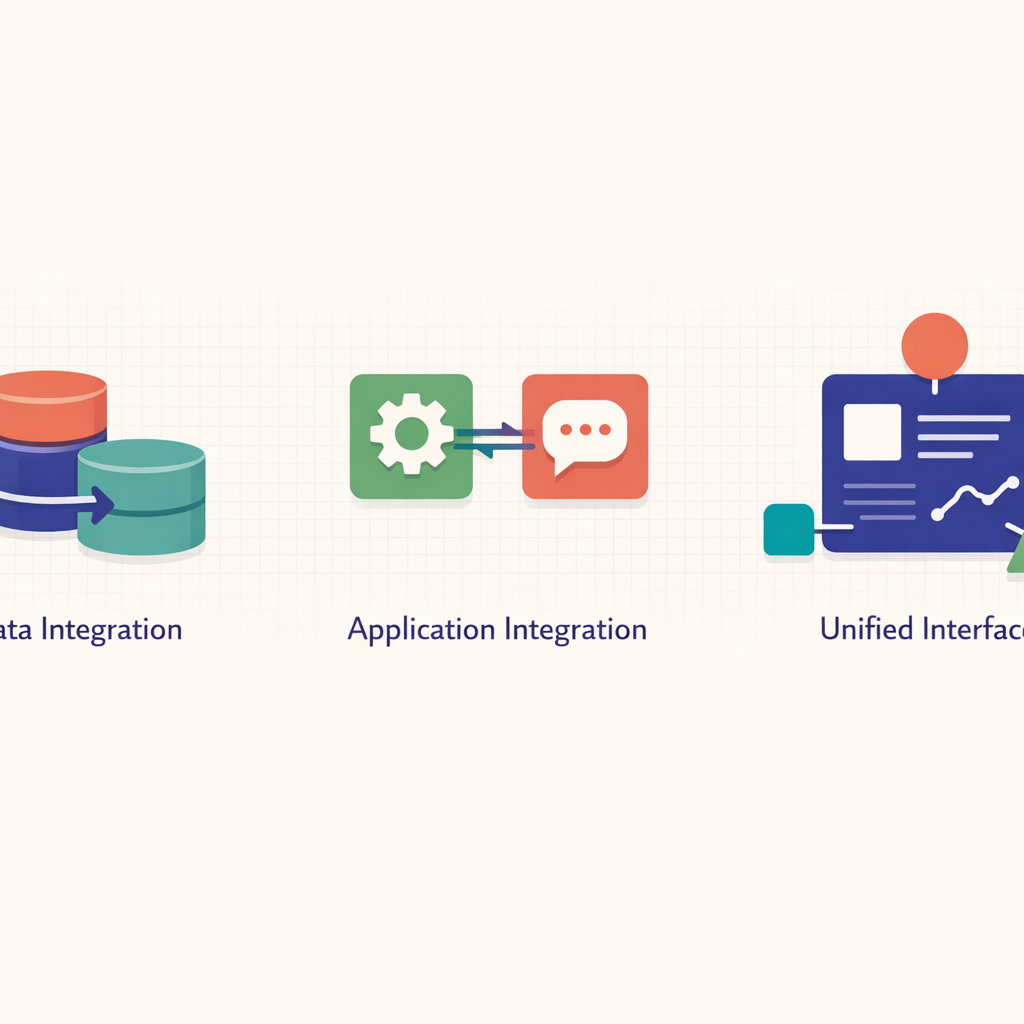
As you work to integrate an LLM into your enterprise, several key integration patterns emerge. It is crucial to take a holistic approach, considering data integration, application integration, and unified interface integrations for seamless operation. The LLM API integration guide offers an in-depth walkthrough.
Tip: Navigating the model tradeoffs requires understanding the balance between functionality, speed, and complexity. What may appear to be a convenient option at first may not align with your long-term objectives. Ultimately, your choice should reflect alignment between LLM integrations and broader business goals.
Security, Architecture, and Cost Control
No discussion of LLM integration in enterprises would be complete without addressing security and architecture. The guide on integrating AI emphasizes that incorporating LLMs into your enterprise architecture not only protects data but also fosters customer trust.
Additionally, cost-effectiveness should be a primary focus. Implementing intelligent cost control measures is essential to offset the substantial investments required for LLM integration. Nevertheless, the resulting improvements in efficiency and scalability far outweigh these costs.
Proof-of-Concept to Production and Testing
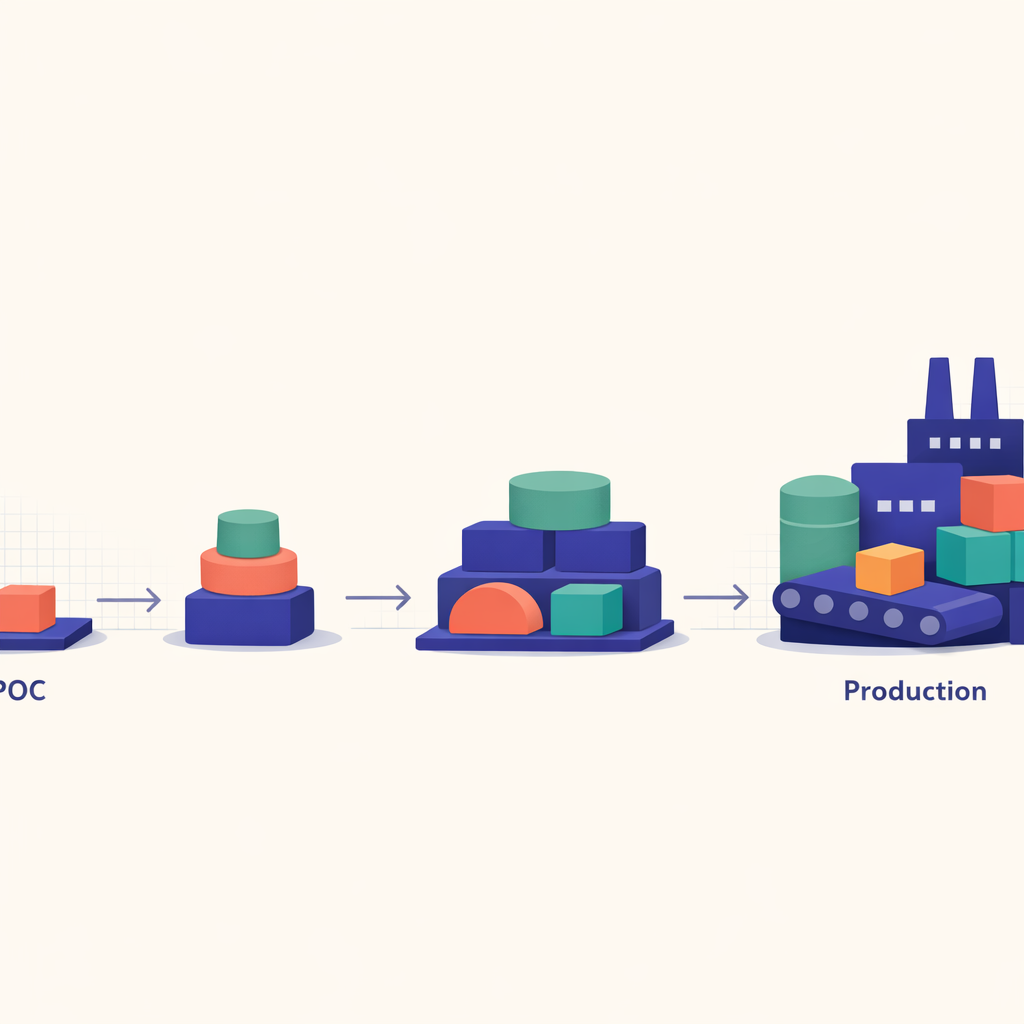
Transitioning from the planning phase to actual implementation can feel daunting. However, like any technological integration, moving from proof-of-concept (POC) to production and conducting thorough testing is critical to ensuring the success of your LLM integration journey.
In the following sections, we will explore more nuanced aspects of LLM integration within enterprises, providing insights you can translate into actionable strategies.
For now, take some time to envision how you might integrate LLMs into your business. Consider drafting potential business scenarios that could benefit from language model integrations. Visit our services page for additional resources on enterprise LLM integration.
LLM as a Powerful Infrastructure Tool in Enterprises
LLM, or language model integration, serves as a critical asset in the domain of infrastructure tools for enterprises. These advanced models can significantly enhance operations by improving user experiences and facilitating smarter decision-making processes. By leveraging LLMs, your enterprise can achieve transformative benefits, leading to marked improvements in daily operations and ushering in a new era of LLM integration in enterprise operations.
Integration Patterns and Models
Integrating LLM into your enterprise requires careful consideration of several key integration patterns. The following are essential:
| Integration Type |
|---|
| Data Integration |
| Application Integration |
| Unified Interface Integration |
Each of these integration types plays a vital role in ensuring seamless operations. For a detailed understanding, refer to our guide here.
Additionally, choosing the right LLM involves weighing the trade-offs associated with capacity, speed, and complexity across different models.
Security and Architecture
The architecture of your LLM and security parameters require prior attention. In today's data-driven landscape, safeguarding your LLM API integration is crucial—not only for protecting sensitive data but also for establishing and maintaining user trust.
Our enterprise AI integration specialists recommend the following steps for robust LLM integration:
- Incorporate AI-specific provisions into your security plans
- Ensure secure hosting
- Implement strong encryption measures
These steps are essential for keeping your LLM API secure and functional. For more comprehensive information on securely integrating LLMs into your enterprise structure, refer to our LLM API integration guide.
Cost Control, Testing, and Transitioning from PoC to Production
Cost control is a critical aspect of LLM integration, requiring strategic planning and resource management to avoid excessive expenditures. Coupled with thorough testing of LLM functionality, this approach can ensure a smooth transition from Proof of Concept (PoC) to production.
With these insights, you can facilitate the transformative integration of LLM into your enterprise, elevating operational efficiency, enhancing customer interactions, and fostering smarter decision-making processes—all within a secure framework.
For more expert guidance on this topic, explore our services and integrations.
Ready to leverage the transformative power of LLM integration in your enterprise? Get started today.
Practical Guide to LLM Integration Patterns
Integrating a language model into your enterprise is a multifaceted process that demands strategic planning. It involves comprehending various models, their respective trade-offs, and identifying the optimal integration patterns tailored to your organizational needs. This guide offers crucial insights into the successful implementation of LLM integration at the enterprise level.
Integration Patterns
When considering LLM integration within an enterprise, three essential patterns should be evaluated:
-
Data Integration: This pattern emphasizes the consolidation of data from diverse sources into a single, easily accessible format. It ensures that the LLM has access to high-quality data for its predictive models.
-
Application Integration: This approach interlinks various applications or systems, facilitating seamless data flow. It enhances the LLM's context understanding and simplifies the automation process.
-
Unified Interface Integration: This pattern centralizes the display of data from multiple applications into a single user interface. It improves user experience and typically leads to quicker resolution of queries.
For a more comprehensive understanding of each of these patterns, please refer to our detailed guide here.
Model Trade-offs
Before integrating an LLM into your enterprise, it is essential to grasp the trade-offs associated with different models. Key considerations include:
- Capacity: Larger models can produce more nuanced responses but may require greater resources.
- Speed: Smaller models can deliver faster responses but may lack in providing context-rich insights.
- Complexity: Some models may offer high precision at the expense of increased complexity and resource demands.
Approach this process with your specific use case in mind, and continually measure performance against your goals to refine your strategy.
Architecture and Security
When integrating an LLM, pay careful attention to the overarching architecture and security measures. Keep the following points in mind:
- Ensure that the LLM integrates seamlessly with your existing enterprise architecture.
- Prioritize data privacy and security. Given that LLMs process significant amounts of data, protecting sensitive information from breaches is crucial.
- Regularly review your security architecture for potential vulnerabilities. Consulting with an enterprise AI integration specialist is advisable to ensure secure hosting and robust encryption.
Tip: Always prioritize data security during integration to mitigate the risks of potential breaches.
From Proof of Concept to Production
Initiating LLM integration begins with a well-defined proof of concept (POC). Utilize a small-scale project to evaluate the LLM's capabilities, resolve any implementation issues, and assess interoperability with your existing processes. Once you are content with the results, scale up to production. Remember to continuously review and refine the model, as LLM integration is an iterative journey.
Note: Comprehensive testing throughout the integration process is crucial. Implementing robust testing practices, including unit tests, integration tests, and user acceptance tests, is essential.
Frequently Asked Questions
Before we conclude, let's address some common inquiries regarding LLM integration in enterprises:
-
What advantages does an enterprise gain from LLM integration?
Effective LLM integration provides enterprises with a powerful infrastructural tool that enhances user experiences, streamlines operations, and significantly improves decision-making capabilities.
-
How can we ensure data security in LLM integration?
Prioritize robust data encryption, secure hosting, and regular security reviews to uphold high levels of data safety. Consulting with an AI integration specialist is also strongly recommended.
-
What factors should be considered when selecting a model for integration?
The choice of model will depend on your specific objectives and available resources. Key factors include model capacity, speed, and complexity.
Ready to embark on your journey towards LLM integration? For further assistance, check out our detailed LLM API integration guide here.
Balancing Model Trade-offs in LLM Integration for Enterprises
In enterprise AI integration, the process is rarely straightforward, particularly when incorporating large language models (LLMs). It is crucial to carefully consider the inherent trade-offs associated with different language models. These trade-offs typically center around capacity, speed, and complexity.
Capacity, Speed, and Complexity
When integrating LLMs, aligning the model's capacity with the enterprise's demands is paramount. For instance, a high-capacity LLM may offer advanced functionalities but could overwhelm existing infrastructure if the enterprise's needs are not substantial. Understanding your enterprise's requirements helps in selecting the most suitable LLM model.
Speed is another vital factor in ensuring user satisfaction and operational efficiency. The chosen LLM should be capable of delivering real-time solutions without hindering the enterprise's workflow.
Lastly, the complexity of the LLM presents both challenges and benefits. While complex LLMs can offer detailed insights and nuanced analyses, their intricate requirements may pose hurdles to seamless integration.
Security and LLMs
The importance of secure LLM API integration cannot be overstated. Collaborating with a reputable AI integration specialist can help ensure the protection of user data and maintain user trust. For more information on secure integration, please visit our services page.
Architecture, Cost Control, and Testing
The architecture of the LLM and its compatibility with the enterprise's existing systems must be carefully evaluated. A misalignment can lead to costly adjustments. It is essential to have a well-structured LLM API integration guide to navigate this effectively.
Cost control is a matter of efficiency. Select an LLM designed to add value and streamline operations without incurring excessive expenses.
Additionally, consider progressing from proof of concept (POC) to production. Comprehensive testing is crucial to identify integration issues and optimize the LLM's compatibility with the enterprise infrastructure.
FAQs
-
What factors should we consider when choosing an LLM?
Capacity, speed, and complexity are essential factors to consider.
-
How critical is security in LLM integration?
It is vital—security encompasses not only data protection but also the preservation of user trust.
-
Are all LLMs the same?
No, there are many different types of LLMs, each possessing unique strengths and limitations.
In conclusion, while the journey to successful LLM integration in an enterprise can present various challenges, a solid understanding of model trade-offs and careful planning can significantly streamline the process. Explore more about integrating LLMs in the enterprise on our services page.
Ensuring Security and Robust Architecture During LLM Integration
Achieving secure and resilient LLM integration in an enterprise setting requires more than just data protection; it is essential to build trust among stakeholders and ensure that business operations remain immune to external threats.
A Secure Hosting Environment
One critical factor in ensuring secure LLM integration is hosting the model in a safe environment. Storing your model in a secure setting protects your data from potential cyber hazards, thereby enhancing the trust of your customers and partners. Partnering with an experienced enterprise AI integration specialist who understands the intricacies of a secure hosting environment can be invaluable.
Robust Encryption
Along with secure hosting, robust encryption is vital. Encryption protects sensitive information by converting it into code, making it inaccessible to cybercriminals. Implementing a sophisticated encryption scheme is essential to ensure the secure transmission of data between the LLM and the broader enterprise.
Cost Control
Cost control is another significant consideration when integrating LLM into an enterprise. Given the potential expenses associated with AI integration, it is important to:
- Clearly understand the financial implications before embarking on the LLM integration journey.
- Develop a detailed business case along with a thorough ROI analysis.
- Utilize RNGC, an effective method for managing costs while ensuring optimal LLM integration and functionality.
Comprehensive Testing
The importance of thorough testing in the LLM integration process cannot be underestimated. Regularly conducting in-depth testing and validation of your LLM API integration helps identify potential issues early, reducing both downtime and reputational damage.
Important Tip: Comprehensive testing is crucial for identifying potential issues early, thereby minimizing both downtime and reputational harm.
From POC to Production
Transitioning your LLM integration from proof of concept to production necessitates a comprehensive strategy. Consult our LLM API integration guide for an in-depth walkthrough. Focus on scalability, maintainability, and continuous improvement to ensure the long-term success of your LLM integration.
FAQs
What are the key factors to consider during the LLM integration process in an enterprise setting?
Key factors include security measures (such as secure hosting and robust encryption), cost control, comprehensive testing, and a smooth transition from proof of concept (POC) to production.
How can I ensure secure LLM integration into my enterprise?
Partnering with an experienced enterprise AI integration specialist and implementing secure hosting environments along with robust encryption methods is crucial.
What is the role of testing in LLM integration?
Comprehensive testing is essential for identifying potential issues early, thus reducing both downtime and reputational damage.
To achieve successful enterprise-grade product integration, contact our experts at GPT Integration services today! We offer platforms and solutions that ensure seamless and secure LLM integration. Let’s work together to propel your business towards resiliency and a competitive edge!
Cost Control in LLM Integration for the Enterprise
Controlling costs during the integration of large language models (LLMs) into an enterprise is a crucial undertaking. It is essential that the advantages gained from this integration are not overshadowed by excessive expenses. By incorporating cost control strategies into the LLM integration process, enterprises can achieve an AI integration that is both effective and financially sustainable.
Factors Influencing Cost Control
It is important to recognize the various factors that may impact your cost control strategies during LLM integration. Generally, these factors fall into three main categories:
| Factor | Description |
|---|---|
| Integration Complexity | The complexity of the integration directly influences associated costs. Implementing cost-effective strategies—such as identifying essential AI tools and limiting customization—can significantly lower expenses. |
| LLM Model Requirements | The costs of integration vary based on the model's capacity, speed, and complexity. Integrating a high-capacity and complex model may necessitate additional resources, leading to increased costs. |
| Security Measures | Ensuring robust security may require implementing layers of data encryption, secure hosting, and ongoing auditing of security protocols, all of which involve their own costs. |
Practical Methods for Cost Control
Adopting a cost-efficient strategy during the LLM integration phase is essential. Here are three practical methods to consider:
- Prioritize Objectives: Identify the most critical aspects for your enterprise and prioritize them accordingly. For example, if strong security is of utmost importance, allocate more resources to that area while seeking to minimize costs in less critical aspects.
- Take Advantage of Integration Patterns: Leveraging cost-effective integration patterns can contribute significantly to cost reduction. Both application and unified interface integrations present promising opportunities to explore.
- Work With an Experienced Integration Specialist: Partnering with a specialist knowledgeable in LLM API integration can facilitate effective cost management. More information is available in our guide.
Tip: Implementing a well-planned cost control strategy can enhance both the sustainability and performance of your LLM integration, ensuring it meets enterprise goals without overspending.
FAQs on Cost Control in LLM Integration
Q1: Does cost control have an impact on the effectiveness of LLM integration?
Cost control does not compromise the effectiveness of integration. Instead, it involves strategically allocating resources to maximize benefits.
Q2: How can I balance costs while maintaining security standards during LLM integration?
Prioritize security requirements and allocate appropriate resources, while simultaneously identifying opportunities to reduce costs without sacrificing functionality.
Q3: How does the complexity of integration affect cost control in LLM integration?
Increased complexity typically results in higher costs. By focusing on essential components, minimizing customization, and effectively utilizing integration patterns, you can manage these costs more effectively.
Understanding how to integrate LLMs into the enterprise is vital for financial effectiveness. For more in-depth information, be sure to explore our comprehensive LLM API integration guide.
: The Enterprise Guide to LLM Integration, Post 14.
Vital Steps in Testing Your LLM Integration
Testing an enterprise's LLM integration is essential for ensuring a successful implementation. While the integration process can be extensive, thorough testing is critical for providing insights into key aspects such as data handling, functionality, and system responsiveness. Below are the vital steps you should incorporate into your routine for testing LLM integration.
1. Identify and Understand Your Objectives
Before starting the testing process, it's crucial to establish clear goals. These objectives will guide your testing efforts and serve as the foundation for your key performance indicators. Examples of objectives may include enhancing customer interactions or improving predictive text capabilities.
2. Choose the Right Testing Techniques
Select a testing technique that aligns with your established objectives. Key factors to consider include the nature of your enterprise's infrastructure and the expected interactions between the LLM and other systems.
Pro-tip: A commonly used method is stress testing, where the LLM system is subjected to extreme operating conditions to identify any potential failures.
3. Test in Different Environments
Conduct testing of your LLM integration in various environments to obtain a comprehensive view of its performance. This may involve testing in different locations, on various devices, or under diverse loads and stresses.
4. Evaluate the Integration's Security
Since your LLM integration may handle sensitive information, ensuring robust security is paramount. This necessitates a comprehensive LLM API integration guide that safeguards all data within the LLM platform.
5. Handle Possible Trade-Offs
During testing, enterprises must be prepared to make challenging decisions, including the possibility of balancing speed, capacity, and complexity based on the demands of your AI integration.
6. Document and Analyze the Results
As a final step, assess all testing results and recommendations to make necessary adjustments. Proper documentation not only facilitates informed decision-making but also supports your enterprise's growth trajectory.
When these steps are carefully executed, they will validate the reliability of your LLM system, ensuring a smooth transition from POC to full-scale production. If you encounter any uncertainties, do not hesitate to seek professional guidance.
For more insights on LLM integration in an enterprise environment, visit our comprehensive guide here [/services/gpt-integration].
FAQs
-
What are common challenges in testing LLM integration?
Given the multiple moving components, challenges may arise in data handling, navigating the complexities of the infrastructure, and implementing robust security measures to protect sensitive information. -
How long does the testing process take?
The duration of the testing process largely depends on the complexity of the LLM system being integrated, the expected data volume, and specific enterprise requirements. -
Can I skip the testing process?
Skipping the testing phase can lead to vulnerabilities within your system, subpar performance, and potential loss of sensitive data. Hence, it is a necessary and vital process for successful LLM integration.
For a comprehensive guide to LLM integration, visit our services page [/services/gpt-integration].
Moving From POC to Production in LLM Integration
Transitioning from a proof of concept (POC) to full-scale production in LLM integration marks a significant milestone in your company's AI journey. This step represents the shift from evaluating theoretical benefits to realizing tangible rewards. However, this process requires meticulous planning to effectively integrate LLM into your enterprise.
Identifying and Mitigating Risks
Before advancing from POC to production, it is crucial to identify potential risks and develop strategies for mitigation. These risks may include:
- Model performance degradation
- Infrastructure capacity
- Rapid cost escalation
- Security vulnerabilities
Remember, successful integration largely hinges on how well you have prepared for potential risks.
Transitioning Integration Patterns
Patterns that functioned seamlessly during your proof of concept may not perform as effectively in large-scale production. It is essential to review and refine these integration patterns prior to transitioning to production.
Preparing the Enterprise Architecture
Ensuring that your enterprise architecture is equipped to accommodate the LLM integration is vital. This preparation involves making adjustments for scalability, implementing security upgrades, and enhancing the APIs that facilitate the integration.
Training End-Users
Providing training for end-users to leverage the advantages of your new LLM integration can significantly impact your return on investment (ROI). It is important to plan and execute this training well in advance of the transition from POC to production.
"Never underestimate the value of a well-planned transition strategy. It serves as the bridge between your proof of concept and the realization of the genuine business benefits of AI integration."
FAQs
Understanding the concerns or questions your team may have during this transition is crucial. Here are some commonly asked questions:
-
What indicators should we look for to know we're ready to move from POC to production?
- Key indicators include stable model performance, infrastructure readiness, and user familiarity with LLM.
-
How long should the transition from POC to production take?
- The timeframe can vary significantly; however, a well-prepared plan might take between 3 to 6 months.
-
How should we handle potential cost escalations during the transition?
- It is important to maintain a robust cost control strategy and engage in constant monitoring.
In conclusion, integrating enterprise LLM from POC to production necessitates careful planning, risk identification, and user training. An enterprise AI specialist can assist you through all stages of your LLM API integration. Trust their expertise to make your LLM integration journey smoother and more efficient.
Frequently Asked Questions about LLM Integration
In this section, we will address the three most common questions that professionals frequently ask when considering the integration of LLMs into their enterprise.
1. What are the architectural considerations for enterprise AI integration?
When integrating LLMs, architectural considerations depend on your company's existing systems and future AI ambitions. The LLM API integration guide emphasizes that the architecture should be scalable and robust to accommodate the intensive computational demands of LLMs. Consider adopting viable structures such as microservices or event-driven architectures. It's essential to ensure that the architecture aligns with your available resources and complexity while also weighing model trade-offs for optimal efficiency.
Tip: Your selected architecture should enable the seamless integration of AI services into your enterprise.
2. What cost control measures should be implemented when integrating LLMs?
Effective cost control for LLM integration within an enterprise requires proactive budgeting, ongoing expense tracking, and forecasting potential cost overruns. Collaborating with a financial advisor is advisable to ensure accurate budgeting and appropriate weightings of different components within your budget. Regularly monitoring usage and performance can help identify and address costly inefficiencies before they escalate.
Note: Do not underestimate the significance of effective cost control. Without it, an LLM integration project can quickly become unmanageable.
3. How can an enterprise ensure security when integrating an LLM?
Ensuring security during enterprise AI integration necessitates a comprehensive approach. Implementing robust encryption methods, secure data handling practices, and adhering to compliance regulations are critical steps. A dedicated team of security experts should oversee the LLM integration to promptly address any vulnerabilities.
Reminder: Security is paramount. Consult with an enterprise AI integration specialist to guarantee that your LLM implementation is both secure and trusted by your users.
In conclusion, integrating LLMs into an enterprise is a strategic initiative that can transform your operations and provide a competitive advantage. This process entails establishing the right infrastructure, understanding model trade-offs, ensuring security, designing an appropriate architecture, and maintaining effective cost control.
For a more detailed discussion on LLM integration and other related services, reach out through this link. We are ready to guide you through your LLM journey.

Conclusion: Optimizing Your LLM Integration Strategy
As we wrap up our exploration of the enterprise guide to LLM integration, it is evident that incorporating LLM into your business strategy can significantly transform your enterprise infrastructure. This strategic move can enhance customer interactions and facilitate more informed decision-making.
Recounting Key Integration Components
The process of integrating LLM into an enterprise involves several essential stages. Consider the following key components:
- Integration Models: These include data, application, and unified interface integrations, which serve as the foundation of your implementation strategy.
- Security Measures: The architectural elements outlined in the LLM API integration guide are crucial for protecting sensitive data and maintaining user trust.
- Transition Phases: Transitioning from proof of concept (POC) to full production is a pivotal step in the LLM integration process. This milestone demands meticulous preparation and a well-thought-out strategy.
Tip: Each stage presents unique challenges and trade-offs that require careful management.
The Importance of Expert Guidance
Engaging an experienced enterprise AI integration specialist can significantly enhance the LLM integration process. Their expertise ensures secure hosting and robust encryption—essential elements for fostering trust with your users.
Successfully integrating Enterprise AI, including LLM, necessitates a careful balance of technology adoption, cost management, efficient testing procedures, and integration strategies—all of which are detailed in our LLM API integration guide. The ultimate aim is to create an enterprise that is smarter, more efficient, and highly responsive to customer needs.
Your Next Step
Wondering what to do next? Begin by revisiting the key insights and unique perspectives shared in our blog posts, keeping in mind that the LLM integration journey can be manageable. By collaborating with the right experts and being attentive to trade-offs, cost control, and security, you will be well-positioned to successfully integrate LLM into your enterprise.
Take the next step with us and explore our GPT integration services, an excellent opportunity to advance your journey towards successful enterprise AI integration.
Make Imversion a preferred source on Google
Like this kind of AI and software analysis? Add Imversion as a preferred source so Google can highlight our articles for you in Search, AI Overviews, and AI Mode.


