AI Agents vs Chatbots: Understanding Their Differences and Usage
Dive into the world of AI agents vs chatbots. Learn their differences, use cases, and when to implement each solution in your business strategy.

Introduction to AI Agents vs Chatbots
The rise of artificial intelligence in modern business is gradually transforming how organizations engage with their customers. Among the myriad of AI tools gaining traction, the ongoing debate surrounding “AI agents vs chatbots” is particularly noteworthy. This terminology has gained prominence due to the critical roles these technologies play in automating customer-facing tasks. Consequently, a clear understanding of these AI tools is essential for informed business decision-making.
The objective of this article is to elucidate the distinctions inherent in the terms “AI agents” and “chatbots,” clarifying their differences and appropriate applications across various business contexts. AI agents, often referred to as “agentic AI,” are autonomous systems that employ machine learning techniques and AI platforms to comprehend, plan, and solve problems. In contrast, chatbots are straightforward rule-based systems designed to engage with users and respond to specific queries within predetermined parameters. The essence of the distinction resides not only in their respective architectures but also in their capabilities to manage varying levels of complexity.
This discussion transcends a mere “chatbot vs AI agent” comparison, delving into the differentiation of their capabilities, architectures, costs, and use cases.
Decisions regarding the implementation of an AI agent, a standard chatbot, or even a hybrid solution could significantly impact your business's success. As we proceed, we will examine when a chatbot suffices for your business needs and when the sophistication of an AI agent is warranted for tackling complex tasks and providing personalized recommendations. Furthermore, we will introduce an evaluation framework to help assess your business’s AI needs.
Our exploration will conclude with three frequently asked questions, offering a comprehensive framework for defining, comparing, and understanding the “difference between a chatbot and an AI agent,” the trade-offs between “conversational AI and agentic AI,” and ultimately guiding you in making efficient and effective choices among these tools.
In the age of digital transformation, grasping the subtle distinctions between AI technologies can empower your business to leverage their potential effectively, ensuring a sustainable competitive advantage. Join us as we navigate the intriguing world of “AI agents vs chatbots.”
Understanding AI Agents and Chatbots
In a rapidly evolving technological landscape, the competition between AI Agents and Chatbots is intensifying. Each technology offers distinct capabilities designed to enhance interactions between businesses and their customers. However, it is crucial to grasp the differences between a chatbot and an AI agent.
Defining AI Agents and Chatbots
AI Agents, also known as agentic AI, are autonomous systems capable of understanding their environment, reasoning, adapting, and learning from their experiences. Their functionality is underpinned by advanced machine learning algorithms, enabling them to anticipate user needs and evolve their responses over time.
Conversely, Chatbots operate within a more rigid framework, relying on programmed scripts within defined parameters. Their primary purpose is to interact with users and provide responses to specific queries based on their predefined programming.
Comparing AI Agents and Chatbots
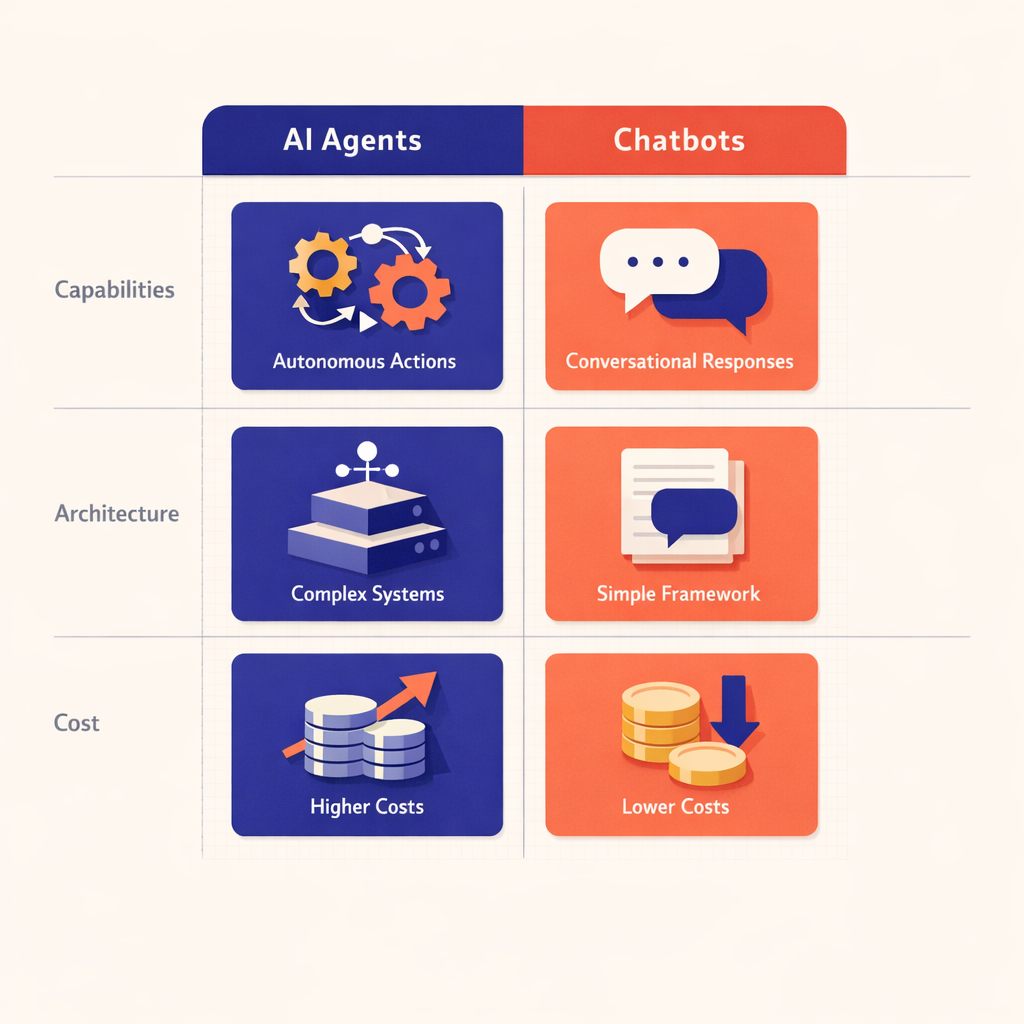
When comparing AI Agents and Chatbots, it is clear that chatbots excel in handling simple tasks, such as responding to frequently asked questions. In contrast, AI agents are adept at managing more complex responsibilities that require a higher level of understanding and improvisation, such as offering personalized recommendations.
Architecturally, chatbots primarily depend on rule-based scripts, while AI agents leverage sophisticated machine learning algorithms. Additionally, the cost of implementing and maintaining an AI agent is typically higher than that of chatbots due to the complexity of the technology involved.
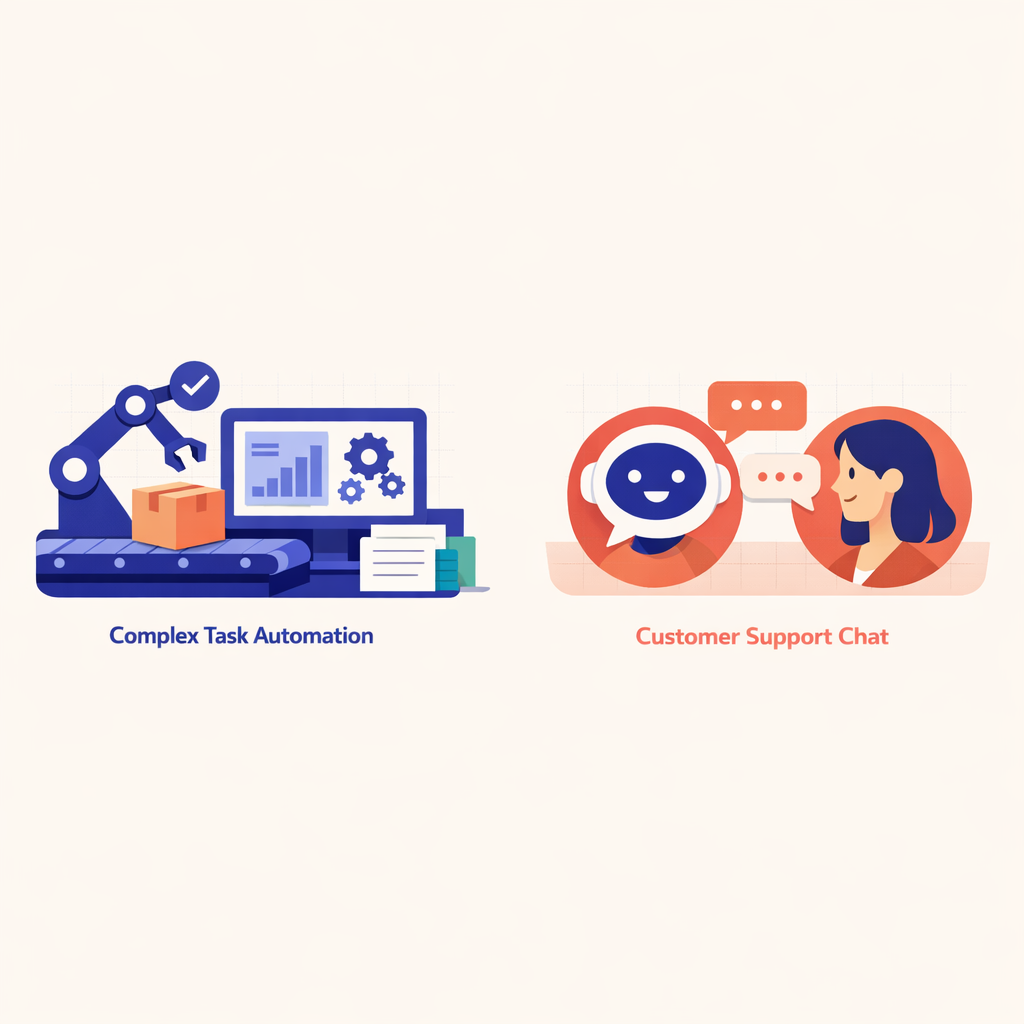
In terms of use cases, chatbots are highly effective for straightforward customer service interactions. However, when a task necessitates deeper understanding or adaptability, an AI agent is the superior choice.
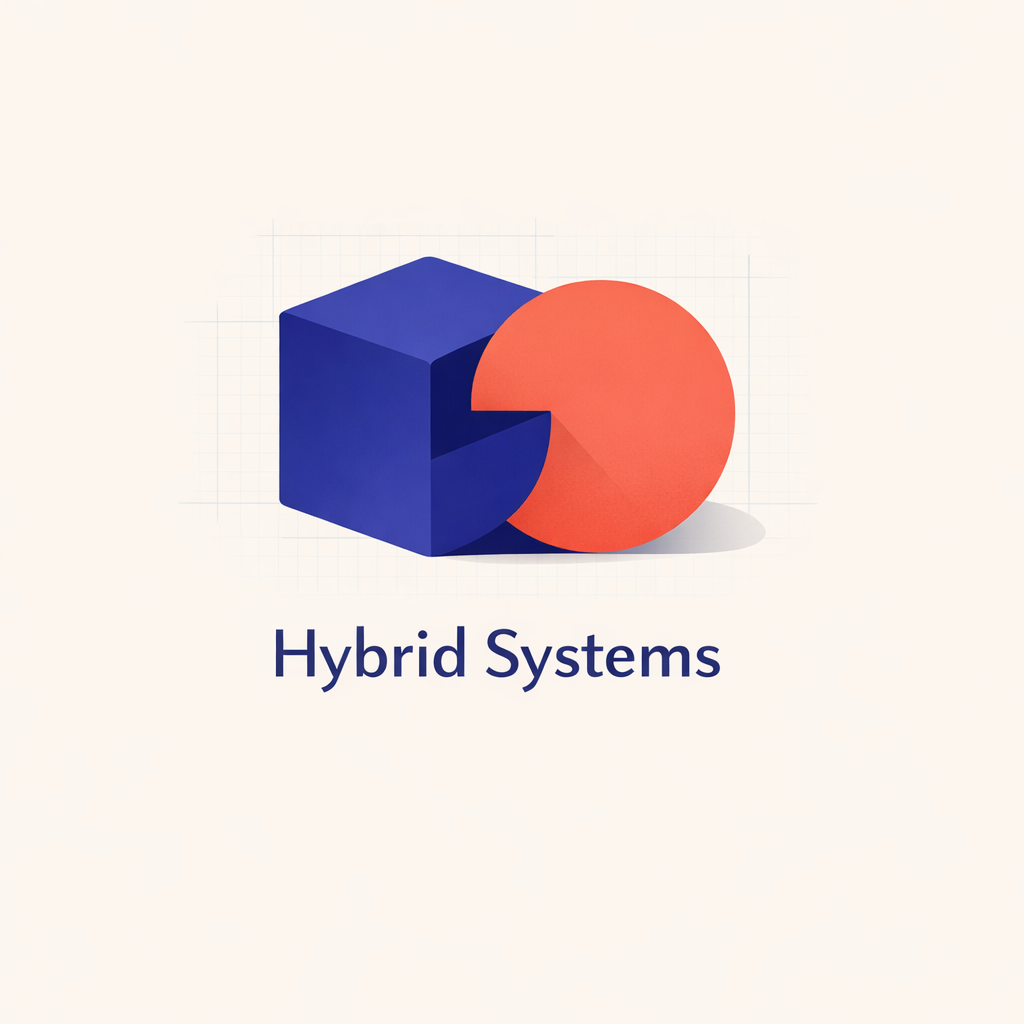
There may be scenarios where neither a pure chatbot nor a pure AI agent is sufficient. In such instances, a hybrid model that combines the operational efficiency of chatbots with the adaptability of AI agents may be the optimal solution.
Deciding Between Chatbots and AI Agents
A decision framework can assist in selecting between chatbots and AI agents:
- For simple, repetitive tasks that do not require context awareness, a chatbot is adequate.
- For operations that require adaptive learning, contextual understanding, and autonomous decision-making, an AI agent is necessary.
FAQs
-
What's the principal difference between a chatbot and an AI agent?
Chatbots operate within the confines of a predefined script, whereas AI agents, utilizing machine learning algorithms, possess the ability to reason, learn, and adapt to various situations. -
What is conversational AI vs agentic AI?
Conversational AI, which includes chatbots, is designed for single-turn tasks and predominantly relies on predefined scripts. Conversely, agentic AI is engineered to learn, reason, and make autonomous decisions. -
When is a chatbot enough, and when is an AI agent needed?
A chatbot is sufficient for simple tasks that do not necessitate context comprehension or the ability to learn and adapt. For more complex tasks requiring deeper understanding and adaptability, an AI agent is essential.
In summary, comprehending the differences between chatbots and AI agents can empower businesses to select the right tool for enhancing customer interaction and engagement. The decision should not only consider complexity or capabilities, but also align with your organizational needs and goals.
Key Differences: AI Agents versus Chatbots
Understanding the distinction between a chatbot and an AI agent is critical for businesses looking to leverage AI technologies to enhance customer relations. While both systems are grounded in AI and aim to improve user interaction, they differ significantly in their capabilities, architecture, cost, and use cases. This section elucidates these differences for a clearer understanding.
Capabilities
- Chatbots: Designed to manage simple, repetitive tasks, chatbots can efficiently respond to frequently asked questions, schedule appointments, or route inquiries to the appropriate department.
- AI Agents: Also known as agentic AI, these systems are more advanced and capable of learning from past experiences, allowing them to adapt their responses over time. An AI agent excels at handling complex tasks that necessitate a high-level understanding and improvisation.
Architecture
A fundamental difference between chatbots and AI agents is their architectural design:
- Chatbots: Primarily operate on pre-programmed scripts, adhering to fixed rules for interaction.
- AI Agents: Utilize sophisticated machine learning algorithms, enabling them to learn from prior interactions and refine their actions through experience.
Cost
Regarding cost:
- Chatbots: Generally less expensive to develop and maintain due to their simpler architecture.
- AI Agents: Require a significant investment in both development and ongoing refinement, given their complexity; they often necessitate specialized talent for maintenance.
Use Cases
Chatbots and AI agents thrive in distinct scenarios, determined by task complexity:
- Chatbots: Serve as an efficient and cost-effective solution for routine inquiries and automated responses.
- AI Agents: Are preferable for tasks that involve nuanced understanding, the ability to learn from user interactions, and robust decision-making capabilities.
IMPORTANT: The choice between a chatbot and an AI agent should not be based solely on cost, but rather on the specific needs of your business. Consider the complexity of the tasks you wish to automate and the level of sophistication desired in your interactions.
By highlighting these critical differences, businesses can make more informed decisions regarding the adoption of a chatbot, an AI agent, or even a hybrid system that combines the functionalities of both. Are there instances where a chatbot suffices? Certainly. However, when the situation demands greater sophistication, it is evident that AI agents have the advantage.
In conclusion, organizations must assess their specific automation needs and align them with the capabilities, costs, and use cases of each option before deciding between a chatbot and an AI agent. Your response to the question of "conversational AI vs agentic AI?" should fundamentally arise from such an evaluation.
Deciding Between AI Agents and Chatbots: When to Use Which?
Choosing between AI agents and chatbots depends on the nature of tasks, the volume of desired interactions, cost considerations, and the level of personalization required. A structured decision framework for AI can assist businesses in making informed choices based on their unique needs and resources. Organizations must carefully evaluate the complexities of the "chatbot versus AI agent" debate while recognizing the distinctions between these two technologies.
When A Chatbot is Enough
Chatbots are effective in scenarios that require straightforward, consistent responses. Their applications include:
- Handling frequently asked questions
- Booking appointments
- Addressing basic customer service inquiries
- Conducting company surveys and collecting feedback
Functionally, chatbots are more economical due to their simpler architecture and limited range of capabilities. The adoption process for chatbots is typically faster, making them an ideal choice for businesses facing tight project timelines or limited resources.
When an AI Agent is Needed
Conversely, the comparison between conversational AI and agentic AI presents a different context. Agentic AI, or AI agents, shine in complex, dynamic environments where cognitive understanding and adaptability are essential. They can:
- Provide personalized recommendations based on user behavior
- Engage in real-time decision-making
- Interact seamlessly in human-like conversations
- Learn and adapt over time through machine learning algorithms
While AI agents may have higher initial costs due to their complex setup and learning mechanisms, they often yield a superior return on investment over time due to their advanced customer-centric processes.
Tip: Assess the specific needs of your organization when deciding between chatbots and AI agents to enhance both efficiency and customer satisfaction.
Considering Hybrids
Businesses might also explore a hybrid approach, integrating the capabilities of both chatbots and AI agents for a more comprehensive solution. For instance, a hybrid system could utilize a chatbot for handling routine queries, while an AI agent addresses complex issues or facilitates personalized interactions.
A Quick FAQ
-
What's the difference between a chatbot and an AI agent?
Chatbots deliver programmed responses to specific queries, whereas AI agents possess the ability to understand, learn, and adapt, resulting in more dynamic and personalized interactions. -
When should a business consider adopting a chatbot or an AI agent?
Generally, businesses favor chatbots for simple, programmed responses. In contrast, those needing advanced, personalized, and cognitive interactions are better suited for AI agents. -
Can a business use both a chatbot and an AI agent?
Yes, businesses can implement a hybrid system that utilizes a chatbot for straightforward inquiries while relying on an AI agent to manage more complex interactions.
Tip: The choice of system should be guided by the complexity of interactions your business anticipates handling.
Conclusion
In conclusion, the decision between AI agents and chatbots is not a binary one. It involves aligning technological capabilities with specific business needs. While chatbots excel at handling straightforward tasks, AI agents are particularly effective in complex and dynamic environments that require anticipation, learning, and adaptability. Additionally, a hybrid approach may be beneficial in achieving an optimized balance between the two.
Tip: Utilizing a decision framework for AI implementation is essential for a successful AI journey.
Exploring Hybrid Systems: Merge of AI Agents and Chatbots
The realm of artificial intelligence (AI) encompasses a variety of standalone systems, including AI agents and chatbots, each with its distinct capabilities. The key distinction between a chatbot and an AI agent lies in structured interactivity versus complex reasoning abilities, respectively. However, the emergence and advancement of hybrid AI systems, which merge the simplicity of chatbots with the complexity of AI agents, presents a significant opportunity for businesses to optimize their operations.
Hybrid AI systems serve as a bridge in the "chatbot vs. AI agent" debate, leveraging the strengths of both conversational AI and agentic AI. These systems integrate the prompt, rule-based responses of chatbots with the learning, reasoning, and planning capabilities of AI agents.
Benefits
From a business perspective, hybrid AI systems offer several advantages:
| Benefit | Description |
|---|---|
| Cost Efficiency | They help automate tasks at scale, enhancing efficiency and reducing operational costs. |
| Scalability | Hybrid systems are equipped to handle a greater volume of user interactions due to their multifaceted infrastructure. |
| User Satisfaction | The combination of AI agent features with chatbot functionality ensures high user satisfaction by delivering both structured and sophisticated responses. |
Use Cases
The practical applications of hybrid AI systems span numerous industries:
- Customer Service: Hybrid AI systems can effectively manage customer inquiries by offering rapid responses typical of chatbots, alongside the personalized solutions characteristic of AI agents.
- Sales and Marketing: They can facilitate targeted marketing campaigns, analyze performance metrics, and make dynamic adjustments based on real-time data.
- Healthcare: In the healthcare sector, hybrid AI systems can assist in delivering medical advice, maintaining patient records, and providing personalized patient care in real time.
In conclusion, understanding the capabilities and differences between standalone chatbots and AI agents is essential; exploring the potential of hybrid AI systems can unlock new avenues for businesses within the AI landscape.
FAQs: Unraveling Puzzles with AI Agents and Chatbots
As we conclude our exploration of AI agents versus chatbots, several common questions arise regarding the usage, cost, and customizability of these technologies. In this section, we address the top three frequently asked questions to provide clear and insightful answers.
-
What's the main difference between a chatbot and an AI agent?
The fundamental distinction between a chatbot and an AI agent lies in their capabilities and complexity. Chatbots typically excel at handling structured tasks, such as responding to predefined FAQs, within specific parameters. In contrast, AI agents are equipped to manage more complex tasks that necessitate a higher level of understanding and adaptability, such as delivering personalized solutions. Essentially, chatbots operate on rule-based programmed scripts, whereas AI agents leverage advanced machine learning algorithms.
-
Is a chatbot sufficient, or do I need an AI agent?
The choice between a conversational AI (chatbot) and an AI agent largely depends on a company's specific needs and resources. For straightforward customer interactions, a chatbot may be adequate. However, if businesses require personalized, adaptive responses to intricate queries or need to anticipate customer demands before they are expressed, AI agents could prove to be a more suitable option. Companies must evaluate their unique needs and budget constraints when deciding between these two technologies.
-
Can I customize my AI agent or chatbot?
Yes, both chatbots and AI agents can be customized to meet your specific requirements, depending on the sophistication of the tool and the investment you are willing to make. Basic chatbots operate on scripts, allowing for straightforward modification of responses, while AI agents can be trained on specific datasets to enhance their understanding and performance in particular domains. More extensive customization may entail additional costs.
Tip: This Q&A provides a foundational understanding of AI agents versus chatbots, addressing common questions about these innovative technologies. As AI continues to reshape business operations, grasping these nuances will enable organizations to optimize their operations and enhance customer interactions.
Concluding Thoughts on AI Agents and Chatbots
Navigating the complex landscape of emerging technology requires a nuanced understanding of the distinctions between "AI agents vs chatbots." The primary differences between chatbots and AI agents can be categorized significantly by their capabilities, architecture, cost, and use cases.
| Feature | Chatbots | AI Agents |
|---|---|---|
| Definition | Utilizes predefined scripts for basic responses | Operates as autonomous systems that learn and adapt over time |
| Capabilities | Effectively manage straightforward tasks, such as FAQs | Capable of handling complex tasks that require reasoning and personalization |
| Architecture | Employs a rule-based design | Learns from user interactions and improves continuously |
| Cost | Typically associated with lower costs | Involves a higher initial investment but offers greater ROI in complex scenarios |
| Use Cases | Primarily used in customer service and basic interactions | Ideal for personalized recommendations and advanced decision-making |
An understanding of chatbots vs AI agents is essential for making strategic decisions. If your business primarily deals with straightforward, specific queries, a chatbot is often adequate. Conversely, if your needs center around complex reasoning and adaptability to user requirements, an AI agent is the more appropriate choice.
Tip: "Choose wisely, for every decision between conversational AI and agentic AI can transform your customer engagement, reshape your cost structure, and redefine your overall business strategies."
With the emergence of hybrid systems, the decision-making framework becomes both intricate and exciting, presenting endless opportunities to leverage AI for business solutions. It is not simply a matter of choosing one over the other; rather, it is about aligning these technologies with your specific business needs.
In conclusion, an effective strategy lies not in the choice between AI agents and chatbots, but in understanding their unique capabilities and applications and deploying them where they create the most value.
Make Imversion a preferred source on Google
Like this kind of AI and software analysis? Add Imversion as a preferred source so Google can highlight our articles for you in Search, AI Overviews, and AI Mode.


