AI Automation Agency Pricing: Understanding Costs for Your Business
Curious about AI Automation Agency Pricing? Uncover essential cost insights, hidden factors, and budget-maximizing strategies to elevate your business.

Introduction to AI Automation Agency Pricing
In the rapidly evolving business landscape of the 21st century, maintaining a competitive edge increasingly necessitates the adoption of innovative solutions like automation. AI automation agencies have emerged as pivotal partners in this domain, offering services that streamline processes and enhance operational efficiency for businesses. Consequently, understanding AI Automation Agency Pricing is a crucial consideration for organizations intending to leverage this advanced technology.
Achieving transparency in the costs of AI automation services can be somewhat challenging. This complexity arises from a variety of factors, including divergent pricing models, the varying intricacies of projects, and potential hidden costs associated with AI automation. However, grasping these elements is essential for organizations to establish realistic budgets and make informed choices regarding outsourcing, in-house development, or hiring freelancers.
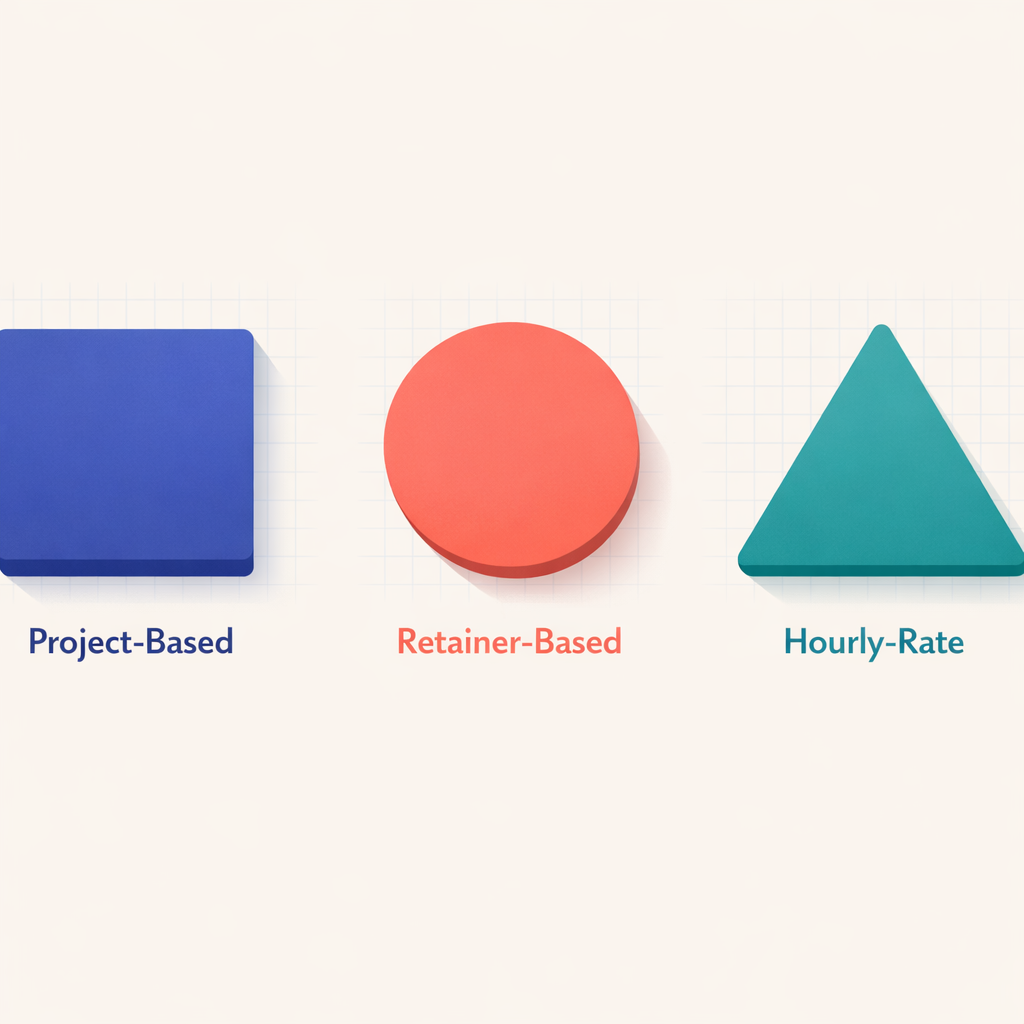
AI Automation Agency pricing models typically fall into three main categories:
| Pricing Model | Description |
|---|---|
| Project-based | Businesses incur a fixed cost based on an assessment of the project's scope, commonly preferred for one-time assignments. |
| Retainer-based | Involves a consistent fee charged over a specified period, providing long-term support, routine maintenance, and scalability when needed. |
| Hourly-rate | Businesses are billed according to the time spent executing the project. |
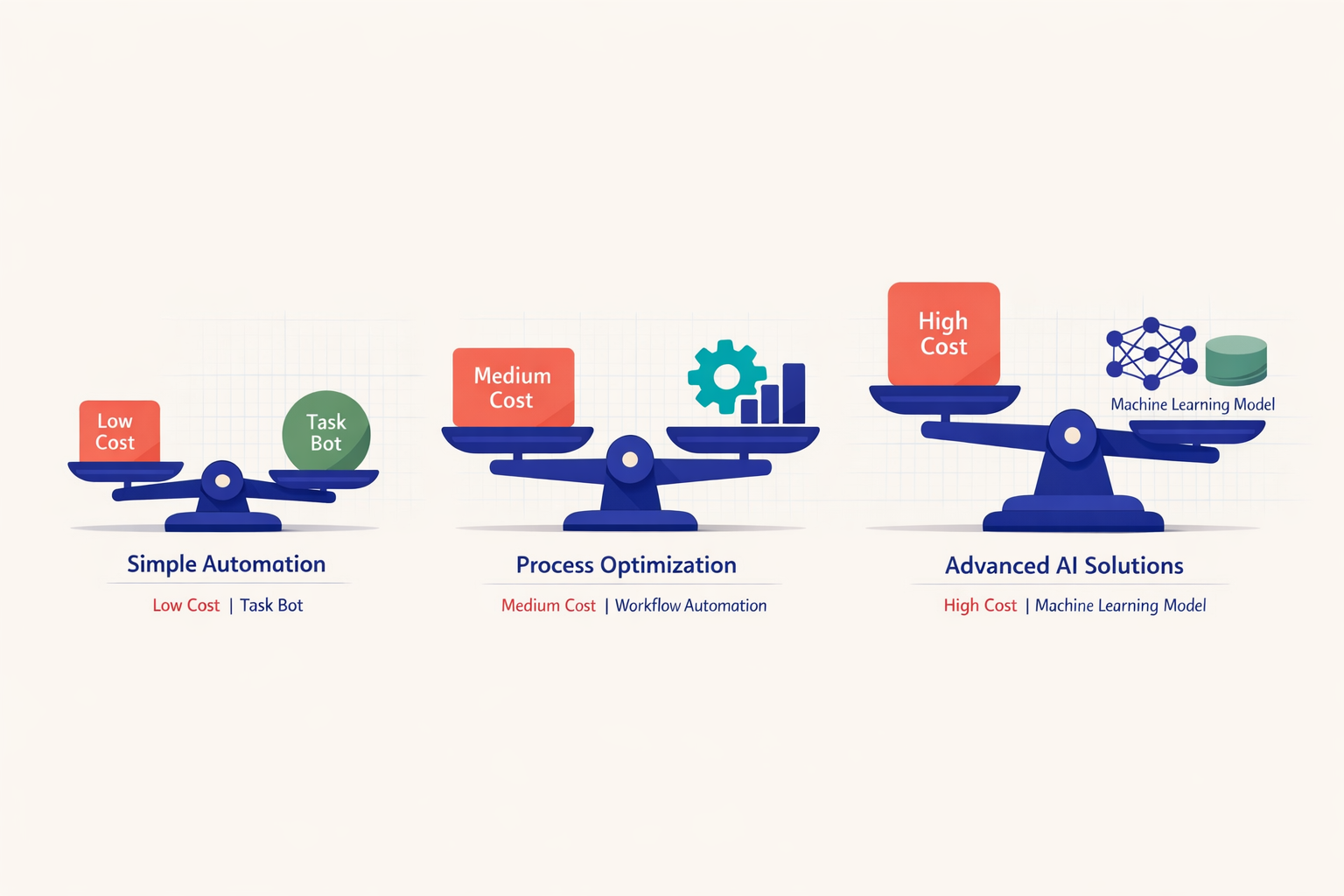
The costs of AI automation services are also influenced by the nature of the project. For example, the development of a simple AI chatbot system may range from $10,000 to $20,000, while projects involving predictive analytics and advanced machine learning can be significantly more expensive, falling between $100,000 and $300,000 due to their complexity and higher resource demands.
Several factors contribute to project complexity, including the structure of data (whether structured or unstructured), the necessity for integration with existing systems, and whether the project requires rule-based systems or advanced machine learning.
The decision to implement AI automation in-house, through agencies, or by hiring freelancers can considerably influence overall costs. Each option presents unique benefits and financial implications, necessitating thorough analysis to maximize value from the allocated AI automation budget.
To navigate these complexities effectively, businesses should consider a phased implementation approach, which facilitates efficient budget allocation and enhances returns on investment. Gradual adoption of AI automation services enables organizations to better understand their specific requirements, adjust budgets accordingly, and ensure a smoother transition that maximizes efficiency.
Just as Rome was not built in a day, successful AI automation adoption is a journey rather than a one-time event. Taking the time to implement AI solutions thoughtfully can lead to significant improvements in the effective use of your AI automation budget.
Understanding Different Pricing Models in AI Automation
When it comes to AI Automation Agency Pricing, one size does not fit all. The cost typically stems from a blend of factors, with the pricing model being paramount. Primarily, AI automation agencies employ three main pricing models: project-based, retainer-based, and hourly-rate. Each model presents distinct advantages and potential drawbacks, which can vary according to the project's scale, complexity, and anticipated duration.
Project-Based Pricing
This model is characterized by fixed cost arrangements that encompass the project's entire scope. It is particularly suited for specific, non-recurring tasks, offering a clear, upfront view of the costs associated with AI automation services. This transparency makes budget management more straightforward for businesses.
| Pros | Cons |
|---|---|
| Cost certainty from the outset | Limited flexibility if project scope changes |
| Simplified budgeting | May incentivize rushed work to maximize profits |
| Promotes efficiency from the agency |
Retainer-Based Pricing
The retainer-based model entails businesses paying a continuous fee over a specified period. This approach is well-suited for long-term projects that require ongoing support, routine maintenance, and scalability.
| Pros | Cons |
|---|---|
| Consistent, predictable costs | Risk of underutilization if constant attention is not required |
| Guarantees dedicated resources for your project | Less flexibility to switch providers or terminate service |
| Facilitates long-term budget planning |
Hourly-Rate Pricing
The hourly-rate model charges clients based on the actual time invested in the project. This model offers maximum flexibility, making it appropriate for projects where the scope may change frequently.
| Pros | Cons |
|---|---|
| High degree of adaptability | Difficult to predict total costs |
| Payment is based solely on actual time spent | Potential for scope creep, leading to increased costs |
| Simple and easy to comprehend |
Each of these models impacts the cost of AI automation services in distinct ways, contingent upon the nature and complexity of the project. For instance, a basic AI chatbot system may range from $10,000 to $20,000, while advanced predictive analytics utilizing sophisticated machine learning models could range from $100,000 to $300,000. Numerous factors—including data structure, integration with existing systems, and whether rule-based systems or advanced machine learning capabilities are necessary—can significantly affect the final cost. Consequently, businesses must judiciously consider these elements and align them with their budgetary objectives to extract maximum value from AI automation.
"Choosing the right pricing model is a crucial first step in maximizing your AI automation budget. It's all about finding the right balance between your project requirements, budget, and flexibility."
: AI Automation Agency Pricing: How Much Does It Really Cost?
AI Automation Agency Pricing: Cost Range by Project Type
When investing in AI automation, understanding the associated costs is crucial. The pricing for AI automation services varies significantly for businesses, primarily driven by the type, complexity, and methodology of the project. Achieving cost transparency involves comprehending how these factors can influence AI Automation Agency Pricing.
AI Chatbot
Let us begin with a relatively simpler application of AI: AI chatbot systems. These systems are becoming increasingly common, offering businesses effective means of supporting, engaging, and assisting customers. However, their simplicity does not necessarily equate to lower costs. The cost range for developing and launching an AI chatbot system typically spans from $10,000 to $20,000. This cost largely depends on the complexity of the conversational flows, the level of AI-driven intuition required, and the integration with existing systems.
Predictive Analytics
In contrast, advanced applications such as predictive analytics necessitate a substantial investment. Developed using sophisticated machine learning models, these tools provide critical insights into future trends and behaviors, which require seasoned expertise and more extensive resources. The costs for predictive analytics projects generally range from approximately $100,000 to $300,000. Here, elements such as the intricacy of the algorithms, the volume of data, and the hardware and software requirements significantly influence pricing.
Complexity Factors Affecting Price
Beyond the type of project, complexities may further affect the overall price tag. These complexities include:
- Data structure: Projects involving structured data are often less challenging (and hence less costly) than those that manage unstructured or semi-structured data.
- Integration with existing systems: The degree of intervention required in your existing systems to accommodate the AI project can elevate costs.
- Customization scope: Higher levels of customization typically translate into increased expenses.
By incorporating these factors, businesses can foster transparency in pricing and plan their AI automation budgets more effectively.
Tip: To maximize the value of your budget, consider a phased implementation approach. Begin with a small-scale project, evaluate the advantages, and then make informed decisions regarding further investments if necessary.
Every business must determine whether it is more beneficial to outsource to an AI automation agency, employ in-house staff, or hire freelancers. Each approach carries its own costs, advantages, and drawbacks, requiring careful consideration. While achieving transparency in AI Automation Agency Pricing can be challenging, it is attainable with a clear understanding and evaluation of all contributing cost factors.
Complexity Factors Affecting AI Automation Agency Pricing
The cost of AI automation is contingent upon many variables, making it difficult for businesses to attain total cost transparency. Several critical factors influence AI Automation Agency Pricing, including data structure, integration with existing systems, and customization.
Data Structure
The data structure significantly impacts the cost of AI automation services. The nature of the data—whether structured, semi-structured, or unstructured—can profoundly affect the time, resources, and expertise required to implement an AI project.
| Data Type | Description |
|---|---|
| Structured Data | Data organized in a defined manner, allowing AI automation tools to process it relatively easily. |
| Unstructured Data | Requires advanced AI systems that can comprehend and process the data, leading to increased costs. |
Integration with Existing Systems
The degree of integration needed with existing systems also plays a significant role in determining AI Automation Agency Pricing.
- Pricing can remain low if AI tools integrate seamlessly with current systems.
- Conversely, if substantial modifications or additional investments in hardware or software are necessary for successful integration, costs can escalate significantly.
Customization
The level of customization required for the AI system is another essential factor influencing project costs. Projects that demand a high degree of customization or tailored solutions will invariably incur higher expenses due to the increased time and resources needed.
"Remember, off-the-shelf AI solutions may be cost-effective but may not address all the nuances of your business operations. It's often a matter of 'better fit' versus 'lower cost.'”
Summary
Understanding these complexity factors is critical for obtaining a realistic estimate of AI Automation Agency Pricing. However, keep in mind:
- Complexity varies from project to project.
- Do not compromise your business needs for cheaper alternatives.
- Maximizing the value of your budget typically results from thoughtful planning and a clear understanding of these factors.
Ultimately, businesses must invest time and energy in grasping these complexity factors when exploring the costs of AI automation. This understanding will help maximize your AI automation budget and leverage the streamlined operations offered by AI automation.
Hidden Costs in AI Automation Agency Pricing
Hidden costs can markedly influence whether a project represents a worthwhile investment or transitions into a financial pitfall. To comprehensively understand the cost of AI automation services, it is essential to consider these hidden expenses, which can considerably inflate the initial budget.
Maintenance Fees
One often-overlooked cost in AI automation agency pricing is ongoing maintenance. After an AI system has been developed and implemented, it necessitates regular fine-tuning and maintenance. This upkeep is crucial for maintaining proper functionality and involves adjusting algorithms in response to the evolving business environment. Therefore, businesses must incorporate this ongoing expense into their budgeting.
Scaling Fees
Typically, the initial implementation of an AI strategy occurs on a smaller scale to evaluate its effectiveness. However, as the demand for automation grows, scaling becomes inevitable. More substantial systems or an increase in users complicates an AI system, subsequently driving up costs. When analyzing AI automation agency pricing, it is vital to account for potential scaling expenses.
Customization Costs
Highly tailored solutions often incur additional charges due to the expertise required for development. If this aligns with your business requirements, it is important to factor in these extra costs when determining your overall AI automation budget.
Training Costs
Training employees to effectively utilize new AI systems is a critical element that is frequently underestimated. This essential aspect of implementation can lead to additional costs, both financial and temporal.
Takeaway:
While assessing the pricing of an AI automation project can be complex, businesses should aim for cost transparency that encompasses potential hidden expenses. By recognizing these costs from the outset, companies can significantly enhance their financial planning and make more informed decisions.
When evaluating AI automation agency pricing, it is crucial to consider these hidden costs to accurately calculate your final budget. Remember, while these considerations may add expenses, they are part of an investment in a solution tailored to your business's specific needs and ensure the system's long-term upkeep. Additionally, you might mitigate some of these costs by adopting a phased implementation approach, allowing for gradual financial commitments while minimizing associated risks.
Comparing Costs: Agency vs In-House vs Freelancers
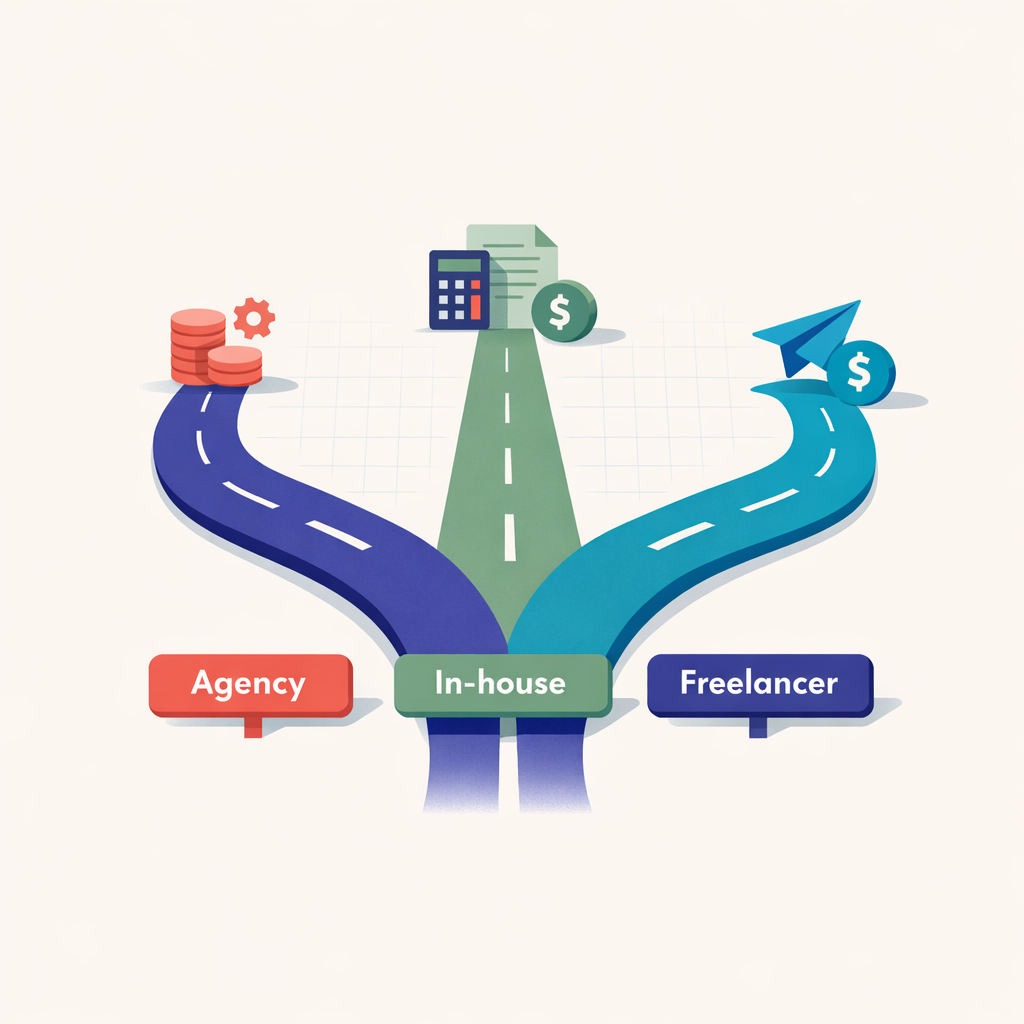
When evaluating AI Automation Agency Pricing, businesses often compare the costs associated with hiring an agency, developing AI automation in-house, or contracting freelancers. Each option presents its own advantages and disadvantages.
Agency Cost
AI automation agencies typically offer comprehensive end-to-end services, enabling businesses to benefit from their extensive expertise. One significant advantage of employing an agency is that it eliminates the need for companies to build and manage their in-house teams, resulting in savings on associated operational costs.
Pricing Models:
- Project-Based: Charges are based on the entirety of a project.
- Hourly Rate: Fees are billed by the hour.
- Retainer-Based: Regular payments for ongoing services.
Depending on the agency and the complexity of the project, businesses can anticipate costs ranging from $10,000 to $300,000, as discussed earlier.
In-House Development Cost
Developing AI automation in-house allows for maximum customization and alignment with the specific needs of the business. However, building a capable team requires a significant investment, taking into account various factors:
- Recruitment costs
- Salaries
- Benefits
- Overheads
Additionally, expenses related to infrastructure and software tools can render in-house development substantially more expensive than hiring an agency or freelancers.
Freelancer Cost
Freelancers provide flexibility and varying levels of expertise to businesses. Their pricing is influenced by:
- Experience
- Project complexity
- Regional market rates
A notable advantage of hiring freelancers is the ability to initiate certain aspects of a project even before the complete plan is finalized, which can help expedite the project timeline. Nonetheless, the decision to hire freelancers should be approached with caution, as it may pose challenges such as:
- Ensuring consistent quality
- Effective project management
- Multiple contract negotiations for different project components
Important Tip: It is crucial to recognize that the least expensive option is not always the most advantageous. Businesses must evaluate their unique needs, capabilities, and future expansion plans before making a decision.
Consideration of a phased implementation approach may also enhance the value derived from the budget. Initiating with less complex systems, measuring effectiveness, and gradually integrating more advanced elements allows for valuable insights that can refine the automation strategy. This incremental implementation can potentially save costs and ensure alignment with the organization's long-term objectives.
From a cost perspective, AI Automation Agency Pricing may initially appear higher. However, when considering the hidden costs associated with in-house development or managing freelancers, agencies may ultimately offer a more cost-effective solution over time. The decision should be based on factors such as budget, project complexity, timeline, in-house capabilities, and the strategic significance of the project.
Maximizing AI Automation Budget Value
Investing in AI automation is essential for modern businesses striving to remain competitive. Nevertheless, comprehending AI Automation Agency Pricing can be challenging due to the diverse range of project requirements, pricing models, and potential hidden costs. In this section, we explore effective long-term planning strategies, project prioritization, and cost-efficient practices to maximize the value of your AI automation budget.
Long-term AI Planning
The first step in deriving value from your AI automation budget is to plan for the long term. AI projects can be intricate and time-intensive, making it imperative to adopt a strategic perspective that extends beyond the initial implementation.
- Set Clear Goals: Start by establishing clear, measurable objectives for your AI automation initiatives. This framework will guide your AI investments.
- Include Maintenance: It is vital to incorporate regular maintenance and updates into your AI automation budget, as these are essential for ensuring high performance and longevity of your AI solutions.
Prioritizing Projects
"Not all projects are created equal – some will bring more value to your business than others."
Considering this principle, prioritizing projects based on their potential return on investment (ROI) will enable you to allocate your AI automation budget more effectively.
- Impact Assessment: Evaluate the potential impact of each project on your business operations and its anticipated ROI.
- Strategic Alignment: Focus on prioritizing projects that best align with your strategic objectives and are likely to yield high ROI.
Adopting Cost-efficient Practices
Embracing cost-efficient practices can significantly enhance the effectiveness of your spending on AI Automation Agency Pricing. Here are several practices to consider:
| Cost-efficient Practice | Description |
|---|---|
| Leverage Existing Systems and Data | By utilizing pre-existing systems and data, you minimize the need to start from scratch, thereby saving both time and money. |
| Gradual Scaling | Initiate projects on a small scale and gradually expand your AI automation efforts as resources permit. This approach can help control costs while delivering incremental benefits. |
Phased Implementation Approach
Finally, a phased implementation approach can provide additional cost-efficiency.
- Staged Learning: Implementing projects in stages allows for learning from each phase, enabling system refinement and the application of insights to subsequent stages.
- Flexibility in Strategy: This method also offers the advantage of adaptability, allowing you to modify your strategy and reallocate funds as necessary.
In summary, creating a strategic long-term AI plan, judiciously prioritizing projects, and employing cost-efficient practices are critical steps in maximizing the value of your AI automation budget. While investing in AI automation represents a significant commitment, it is equally an investment in the future profitability and efficiency of your business.
Phased Approach to AI Automation Implementation
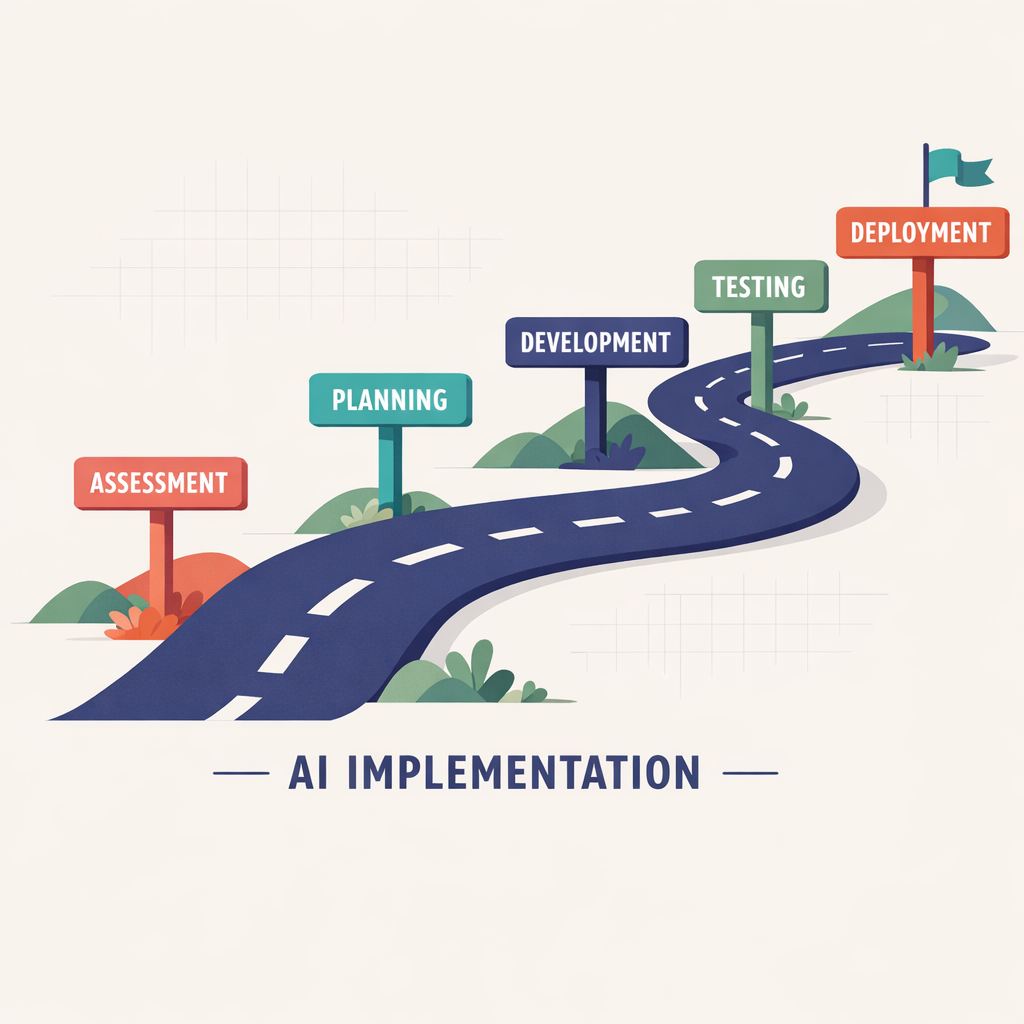
In the realm of AI automation agency pricing, establishing and maintaining cost transparency is essential. A phased approach to AI automation emerges as an effective and cost-efficient strategy, significantly contributing to this transparency. Rather than implementing an entire AI system simultaneously, a phased implementation divides the process into manageable stages that unfold over time, thereby distributing costs.
Advantages of a Phased Approach
A phased AI automation approach provides a distinct set of advantages:
- It allows organizations to test and adjust the system after each phase, ensuring efficiency and effectiveness before progressing to the next stage.
- The cost of AI automation services is spread over time, enabling companies to manage better budgeting and cash flow.
- Risk mitigation is another benefit, as potential issues can be identified early, preventing escalation.
- It offers learning opportunities, with insights gained from earlier phases guiding subsequent implementations.
Project Type and Cost
As previously discussed, the cost of implementing AI automation can vary significantly based on the type of project. For example, a phased implementation of a simple AI chatbot system might involve initial development costs in the first phase ranging from $10,000 to $20,000, followed by refinement and scaling in subsequent stages. In contrast, more complex projects, such as predictive analytics, typically incur higher costs, often between $100,000 and $300,000, due to their increased complexity and resource requirements.
In-House vs. Agencies vs. Freelancers
For a phased AI automation project, engaging an agency may be advantageous, as they typically possess a broader range of competencies for managing such implementations. In contrast, in-house AI automation teams or freelancers may lack certain skills or experience, potentially necessitating additional training or hiring—thereby increasing costs.
To maximize the effectiveness of your AI automation budget, consider a strategy that employs a combination of agency, in-house, and freelance resources. For instance, an agency could handle the initial design and development, while in-house teams manage implementation and freelancers contribute to specific tasks.
Hidden Costs and Complexities
Tip: Remember to account for hidden costs, such as configuration, customization, support, and maintenance, as these can significantly escalate the total cost of AI automation services. A phased approach facilitates the gradual integration of these elements, mitigating the risk of unexpected financial burdens.
Additionally, consider the complexity factors associated with the project. Costs can escalate for unstructured data, integration with existing systems, and applications that demand advanced machine learning capabilities.
In conclusion, implementing AI automation through a phased approach can enhance decision-making, providing greater control over project trajectory and associated costs. This method allows for a smoother transition towards a state-of-the-art AI automation setup.
Understanding and Managing AI Automation Agency Pricing
Navigating the realm of AI Automation Agency Pricing necessitates well-informed decision-making. To begin, it is essential to understand three common pricing models utilized by AI automation agencies:
| Pricing Model | Description |
|---|---|
| Project-Based Pricing | Costs are defined per project. |
| Retainer-Based Pricing | Ongoing services provided for a fixed fee over a specified period. |
| Hourly Rate Pricing | Charges are incurred on an hourly basis. |
Each model carries distinct cost implications that vary according to the nature of the project. For instance, the cost of a straightforward AI chatbot system may range from $10,000 to $20,000, while implementing predictive analytics that leverage machine learning can exceed $300,000.
In addition to the chosen pricing model and project type, several other factors influence the cost of AI automation services. These include data structure, compatibility with existing systems, and the desired level of customization, all of which can significantly affect the final expense.
While engaging AI automation freelancers may appear to be a more economical option at first glance, pursuing in-house AI automation or collaborating with an agency tends to be more advantageous over time, offering substantial expertise and ongoing support.
Note: A comprehensive understanding of AI Automation Agency Pricing is vital for successful implementation of AI projects while ensuring cost-effectiveness. Recognizing the various cost influences aids in mitigating unexpected expenses and maximizing the value garnered from your AI investment. Consequently, grasping these cost implications is essential for effective strategy development involving AI automation applications, optimizing budget allocations, and instituting a phased implementation approach.
Make Imversion a preferred source on Google
Like this kind of AI and software analysis? Add Imversion as a preferred source so Google can highlight our articles for you in Search, AI Overviews, and AI Mode.


