Node.js vs Python for Backend: A Comprehensive Comparison
Choosing between Node.js and Python for backend development? This blog compares their performance, scalability, and ideal use cases to help you decide.

Introduction to Node.js VS Python Backend
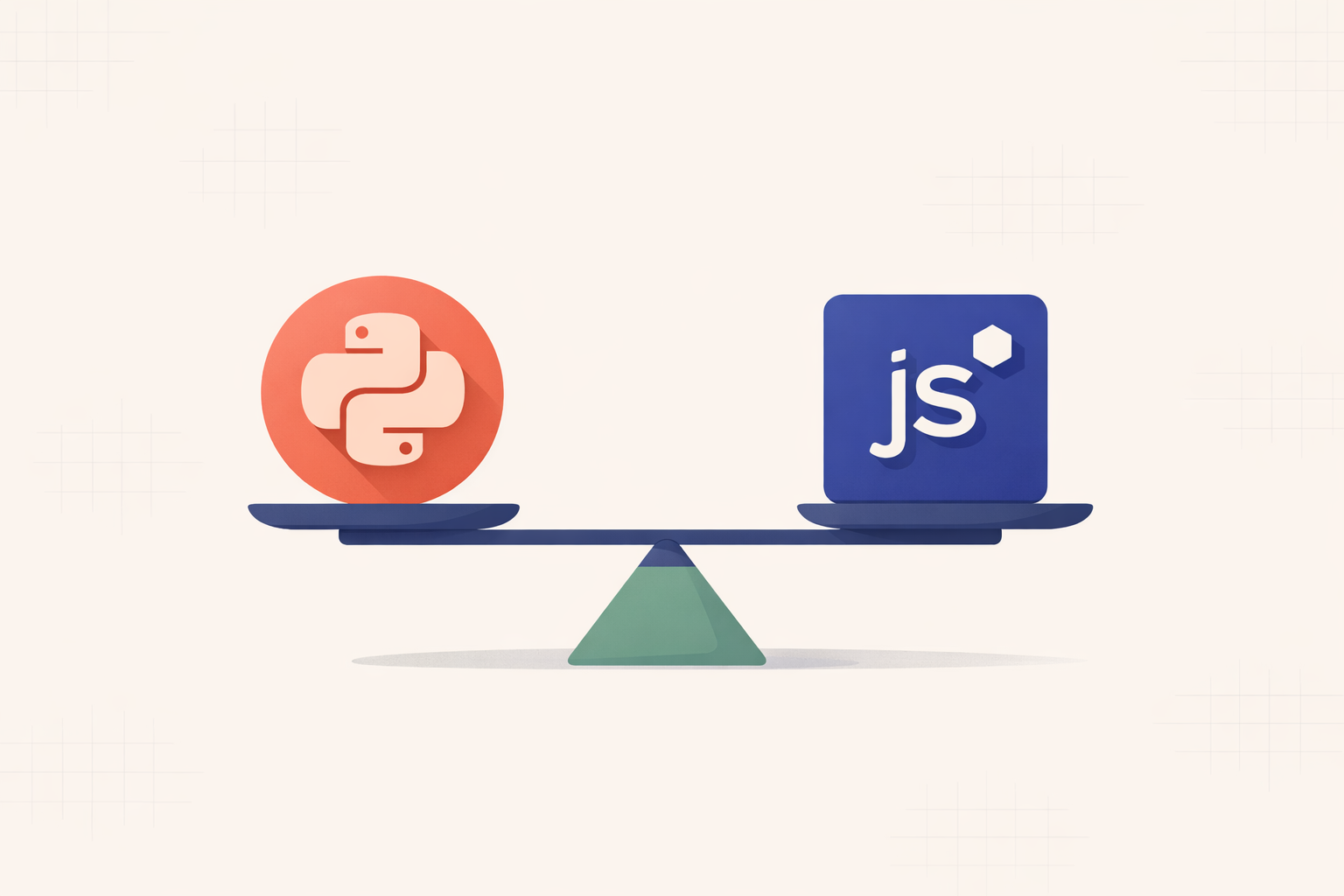
Choosing the right backend language can significantly impact the success of a technology project. Factors such as scalability, ecosystem, and the team's skill set must be considered when deciding between Node.js and Python. This post aims to provide a comprehensive analysis of Node.js versus Python for backend development, evaluating their strengths and weaknesses across various dimensions.
Node.js and Python are two major contenders in the backend programming landscape. The decision between Node.js and Python often hinges on the specific requirements of your project. However, understanding their fundamental differences can assist in making a more informed choice.
Key Differences
| Feature | Node.js | Python |
|---|---|---|
| Performance | Event-driven architecture; excels in I/O | Strong in CPU-intensive operations |
| Asynchronous | Built-in support for asynchronous I/O | Asynchronous solutions available via asyncio |
| Scalability | Ideal for real-time, scalable applications | Versatile but not primarily designed for real-time applications |
Tip: When weighing the options between Node.js and Python, consider your team's proficiency with these languages. The costs associated with hiring talent fluent in either language can also influence your decision.
While we have highlighted performance and scalability aspects in the Node.js versus Python discussion, it is equally important to consider the ecosystem and developer experiences. Each language comes with its own set of resources, libraries, and developer tools, all of which can greatly influence the capabilities of your backend.
Ultimately, the choice between Node.js and Python often depends on your team's expertise with these technologies. In certain situations, the related costs may also play a crucial role.
In the following sections, we will further explore the comparison of these two backend languages, discussing scenarios in which to choose each and what is involved in migrating from one to the other. To enhance understanding, this guide includes FAQs on the topic.
By comparing Node.js and Python across various dimensions, this post aims to assist you in selecting the most appropriate language for your backend solutions.
Please remember that while we strive to present a balanced analysis, every technology project has unique needs. Therefore, it is essential to evaluate each option within the context of your specific project. Stay tuned for a detailed examination of Node.js versus Python for backend solutions.
Major Differences in Node.js and Python Backend Development
In the realm of backend development, the Node.js vs Python debate often takes center stage. Each technology offers distinct advantages, significantly influencing the performance and scalability of web applications. Let's explore the key differences in the comparison of Node.js and Python as backend languages:
1. Design Philosophy
-
Node.js: Built on Chrome's V8 JavaScript engine, Node.js is optimized for creating scalable networking applications, leveraging its non-blocking I/O model. It employs an event-driven architecture that facilitates asynchronous input/output, greatly enhancing its ability to handle concurrent requests. This makes Node.js particularly effective for real-time applications, substantially boosting its performance capabilities.
-
Python: Conversely, Python is a high-level language celebrated for its simplicity and readability. Developers admire its expressive and concise code, which contributes to greater productivity.
2. Performance and Scalability
| Aspect | Node.js | Python |
|---|---|---|
| Speed | Outperforms Python due to its non-blocking nature, making it particularly suitable for real-time applications. | While it may not match Node.js in speed, Python efficiently handles CPU-intensive operations. |
| Scalability | Highly scalable, capable of managing numerous concurrent requests. | Offers improved asynchronous capabilities through the asyncio library and frameworks such as FastAPI. |
3. Ecosystem and Developer Experience
-
Both languages boast strong ecosystems and supportive communities.
-
Node.js: Its extensive ecosystem is bolstered by npm (Node.js package manager), which provides access to hundreds of thousands of free packages.
-
Python: It features a rich ecosystem filled with diverse libraries and frameworks, making it a preferred choice for machine learning, AI, and scientific computing.
Tip: Ultimately, the decision to choose Node.js or Python hinges on your project's specific requirements and your team's expertise. Though costs are generally comparable, it’s advisable to conduct a thorough analysis based on your unique use case.
Selecting between Node.js and Python can be challenging. However, armed with insights into their major differences in backend development capabilities, you can make a more informed decision about which platform best aligns with your project's needs. Both languages are exceptional, each offering strong use cases that could make one the ideal fit for your project.
Node.js vs Python FAQ:
- Can you migrate from Node.js to Python or vice versa? Yes, transitioning from one language to another is technically feasible, though it involves a significant effort and is usually recommended only when absolutely necessary.
- Which language is easier to learn? While both languages have shorter learning curves compared to others, Python is frequently regarded as more beginner-friendly due to its clear syntax.
- Is Node.js or Python better for startups? The answer largely depends on the nature of the startup's product and the skills of the development team.
Performance Comparison: Node.js vs. Python Backend
Understanding the performance of Python versus Node.js is crucial when selecting between these two backend languages. While both tech stacks have their strengths, their performance attributes diverge significantly due to the core design principles that underpin each technology.
Node.js Performance
First, let’s consider Node.js, a platform built on Chrome's V8 JavaScript engine. Its standout feature is its event-driven, non-blocking I/O model, which facilitates asynchronous handling. This architecture becomes particularly powerful as the volume of concurrent requests increases. Node.js excels in I/O-bound applications, thanks to its event loop, which can efficiently process high traffic and data-intensive real-time applications without a noticeable decline in performance.
Tip: When developing applications that require real-time data transfer—such as chat applications, collaboration tools, or online gaming—consider leaning towards Node.js due to its efficient event-driven architecture.
Python Performance
Conversely, Python is a high-level language known for its code clarity and readability. It also offers strong performance features, particularly in CPU-bound operations. Although it may not handle concurrent requests as efficiently as Node.js due to its synchronous nature, recent advancements have enhanced its asynchronous capabilities. Notably, the asyncio library and FastAPI frameworks have significantly expanded Python's potential. Python shines in areas such as:
- Data analytics
- Scientific computing
- Machine learning
Consideration: When weighing the options between Node.js and Python, keep in mind that both languages provide asynchronous capabilities—Node.js natively, and Python through its asyncio library. The choice ultimately depends on the specific requirements of your project.
Backend Language Comparison: Performance Verdict
When comparing the performance of Node.js and Python, it is crucial to consider their strengths in different scenarios:
- Python excels in CPU-bound operations.
- Node.js outperforms in handling I/O-bound operations.
If your use case is CPU-intensive, opt for Python. Conversely, for projects that involve a high volume of concurrent, data-intensive transactions, Node.js may be the better choice.
Key Considerations
The choice between Node.js and Python should be guided by the specific backend operations required by your application. Additional important factors include:
- Team skills
- Costs
- Desired use case features.
Tip: Keep in mind that every project and team is unique—what works effectively for one scenario may not suit another. Assess the specifics of your project, your team's expertise, and the anticipated workload when choosing between Python and Node.js.
Node.js VS Python: Scalability and Ecosystem
When comparing Python and Node.js in terms of scalability and ecosystem as part of a backend language evaluation, it is essential to understand the unique strengths and limitations of each. Both Python and Node.js possess distinct features that make them well-suited for specific use cases and scenarios.
Node.js: Scalability and Ecosystem
Node.js is specifically designed for creating scalable network applications. Its non-blocking I/O model enables it to efficiently handle a large number of concurrent requests, making it an excellent choice for applications that need to scale according to demand.
The Node.js ecosystem is bolstered by a wide array of libraries and frameworks, including:
- Express.js: for routing
- Socket.io: for real-time, bi-directional communication
- Nest.js: for building scalable server-side applications
The package manager for Node.js, npm, hosts over a million packages, providing developers with an extensive range of tools to address various issues.
As a result, Node.js is often the preferred choice for developing:
- Real-time applications like chatrooms and gaming servers
- Single-page applications
- Data streaming applications
- APIs
Python: Scalability and Ecosystem
Python, known for its simplicity and readability, is highly favored for projects where code complexity might hinder scalability. However, its focus on synchronous code can make managing concurrent requests more challenging compared to Node.js. It's important to note that Python's asyncio library and newer frameworks like FastAPI have made it increasingly competitive in this aspect.
The Python ecosystem is rich with powerful libraries and frameworks. For instance, Django and Flask are widely used for web development, while SciPy, NumPy, and other data science packages establish Python as the language of choice for scientific computing.
Python is particularly well-suited for:
- Web applications built using Django or Flask
- Data science and machine learning projects
- Server automation and scripting tasks
Important Tip: The choice between Node.js and Python depends on various factors, including your application's scalability requirements, your team's expertise, and which ecosystem best supports your application's specific needs.
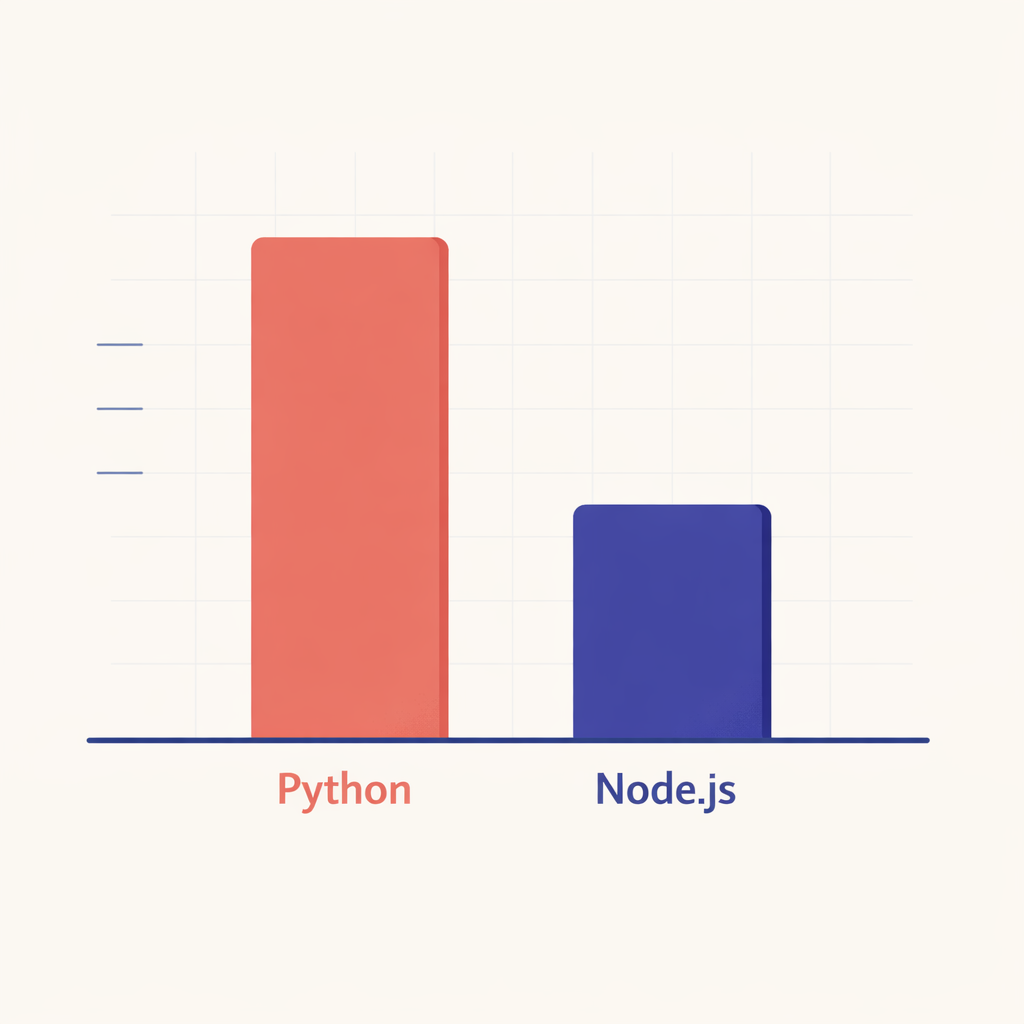
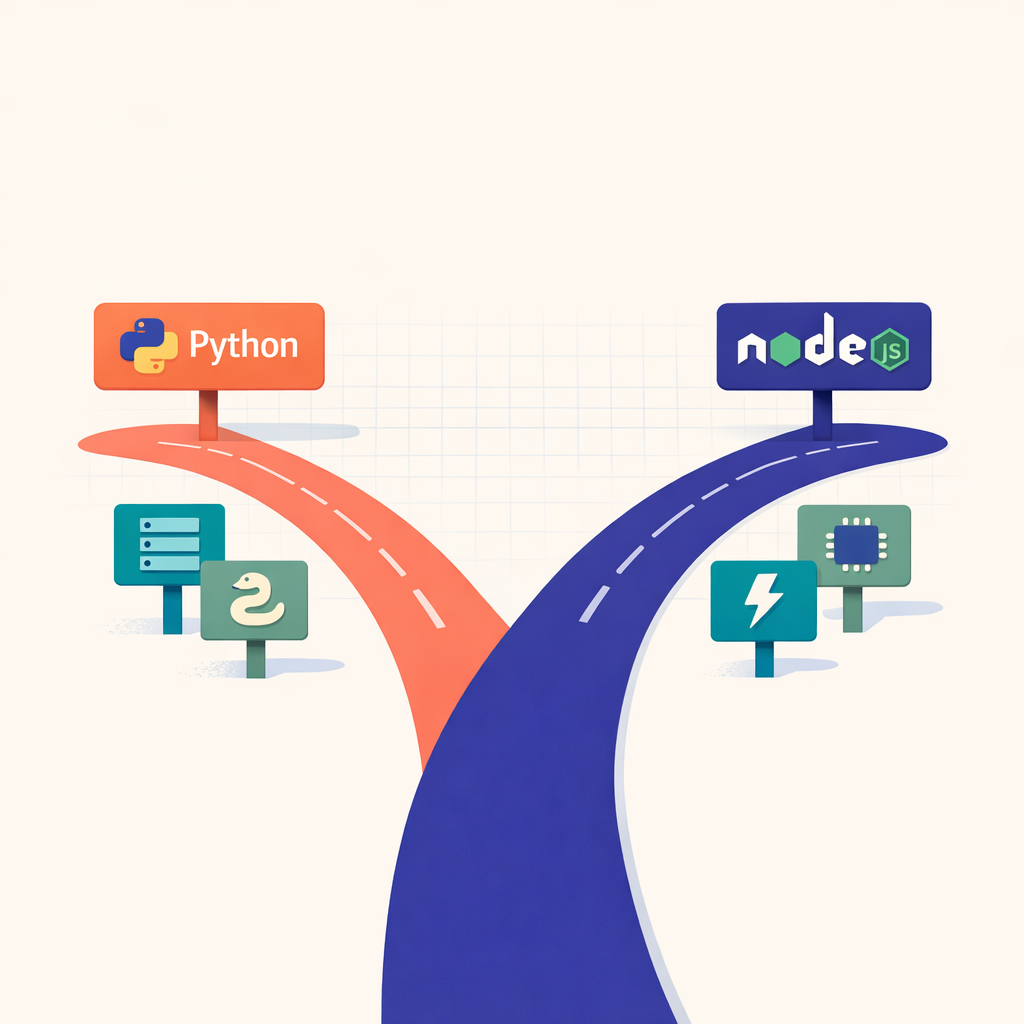
In summary, Python excels when managing potential code complexity is crucial for scalability, while Node.js shines in scenarios requiring high-demand concurrency.
Comparing Developer Experience in Node.js and Python Backend Development
When selecting a backend language, one crucial factor to consider is the developer experience. In this section, we will explore the differences in developer experience between Node.js and Python for backend development.
Ease of Use, Clarity, and Readability of Code
Python: Renowned for its brevity and simplicity, Python boasts clear syntax rules that make both reading and writing code straightforward. Its strict indentation requirements lead to cleaner code, which eases debugging and maintenance. Additionally, Python's versatile features, including its extensive standard library, facilitate rapid application deployment, giving it an advantage in the comparison of backend languages—Node.js versus Python.
Node.js: Conversely, while Node.js may not match Python's simplicity, it empowers developers to write JavaScript on the server side. This characteristic results in a less steep learning curve, particularly for those already familiar with JavaScript. Moreover, Node.js utilizes JSON, enabling seamless data exchange between the client and server.
Availability of Resources
| Language | Resources |
|---|---|
| Python | The Python community offers a vast array of libraries and frameworks, such as Django and Flask, catering to various project types. This rich ecosystem provides developers with a multitude of options to suit their needs. |
| Node.js | Similarly, Node.js boasts an extensive collection of open-source libraries available through npm (Node Package Manager). This platform enables developers to share and utilize reusable components, thereby accelerating the development process. |
Community Support
A key aspect of any programming language is the level of community support, which significantly contributes to its growth and usability. Python, having been established for over three decades, benefits from a robust and mature support system. Its large and engaged community provides a wealth of resources for developers to tap into.
Node.js, though younger than Python, has gained substantial support over the past decade, driven by the increasing popularity of JavaScript. This rise in Node.js' prominence has fostered greater community involvement and enhanced resource availability.
Tip: While deciding between "Node vs Python" is an important consideration, the choice ultimately depends on the specifics of the project, team expertise, and development requirements.
In conclusion, both Python and Node.js offer robust ecosystems for backend development. Python excels in simplicity and code readability, while Node.js benefits from using JavaScript across the stack, streamlining communication between the server and client, and harnessing a vast array of open-source libraries.
The final decision on choosing Node.js or Python for backend development should be based on the unique nature of your project, your development team's skills, and the specific requirements at hand.
Node.js or Python: When to Choose Each for Your Backend
Selecting the optimal technology for your project's backend can be a challenging endeavor, particularly when weighing powerhouse languages like Node.js and Python. A clear understanding of the key differences between these two back-end solutions can facilitate your decision-making based on specific project needs.
Key Differences
Node.js and Python are fundamentally distinct in their core design principles, which in turn influence their performance, scalability, and overall developer experience.
| Feature | Node.js | Python |
|---|---|---|
| Architecture | Excels in building scalable networking applications due to its non-blocking I/O model and event-driven architecture. | Valued for its simplicity and readability; particularly effective in CPU-intensive operations. |
Performance Parameters
Performance is a critical aspect of comparing backend languages. Node.js leads in this area due to its asynchronous input/output model and capacity to handle concurrent requests. However, Python also demonstrates impressive performance, especially in CPU-intensive tasks, and has made recent advancements in its asynchronous capabilities.
Use Cases
Certain use cases highlight the advantages of each language:
- Node.js: Best suited for real-time applications, such as chat applications, collaborative tools, and gaming servers.
- Python: With its extensive libraries and frameworks, it excels in data analysis, machine learning, and scientific computations.
Team Skills, Cost, and Migration
A crucial consideration in the Node.js versus Python discussion is the skill sets of your development team. If your team is already proficient in JavaScript, transitioning to Node.js may be less costly and time-consuming. Conversely, if your team specializes in Python, choosing it can reduce the time required for ramp-up.
When to Choose
Opt for Node.js when developing:
- Real-time applications
- Scalable networking applications
- Projects led by teams with a solid JavaScript background
In contrast, Python stands out in areas such as:
- Data-intensive applications
- Machine learning
- Teams that are well-versed in Python
Key Takeaway: Whether Node.js or Python is the better choice ultimately depends on the specific requirements of your project. Assess the strengths of each language and align them with your project objectives, team capabilities, and budget before making a decision.
Frequently Asked Questions
-
Which language is superior in terms of scalability, Node.js or Python?
Generally, due to its event-driven architecture, Node.js outperforms Python regarding scalability, particularly in real-time applications. -
Can Python handle concurrency like Node.js?
Python can manage concurrency efficiently through the asyncio library and compatible frameworks. However, Node.js's inherent non-blocking I/O model provides an advantage in handling concurrent requests. -
Is it feasible to switch between Node.js and Python during project development?
While technically possible, such a switch can be costly and time-consuming. It's advisable to choose a language based on project requirements and team skill sets from the outset.
Migration between Node.js and Python Backend
Migrating from a Node.js backend to Python, or vice versa, is a complex undertaking that requires careful planning and thoughtful consideration, alongside a deep understanding of both programming languages. In this section, we will explore the intricate steps involved in comparing backend languages, specifically focusing on the migration process between Node.js and Python.
Pre-migration Considerations
Before initiating the migration, it is crucial to conduct a thorough analysis of your current system to identify each component and its corresponding function.
- Compatibility Check: Assess the functions, modules, packages, or features that may not have a direct equivalent in the target language. This evaluation can help mitigate potential migration roadblocks.
- Infrastructure Evaluation: Be aware that transitioning from Node.js to Python, or vice versa, may require significant changes to your infrastructure.
- Skill Set: Does your team possess proficiency in the new language? Successfully migrating between Node.js and Python necessitates comprehensive knowledge of the target language.
- Cost: Estimate the total cost of migration by factoring in elements such as downtime, labor, and necessary infrastructure adjustments.
Migration Strategy
When formulating a migration strategy, it's important to recognize that different approaches may be suitable for different organizations. General steps could include:
- Module-by-Module: Migrate one module at a time. This strategy minimizes system downtime and facilitates a smoother transition.
- Parallel Running: Operate the two systems concurrently until the new one is fully functional. This approach ensures that your services remain operational throughout the transition.
- Full Conversion: Transition the entire backend in one go, which requires substantial downtime.
Tip: The optimal approach will depend on your team's expertise, the complexity of the system, and the organization's tolerance for downtime.
Post-Migration Steps
After the migration, execute simulations or tests to verify that the new backend behaves as expected. Promptly address any anomalies or issues that arise, while closely monitoring the system's performance during peak loads.
When deciding between Node.js and Python, consider the differences in scope, performance, scalability, and use cases of each language. Because migration is resource-intensive and time-consuming, it is essential to ensure that the endeavor is warranted.
Frequently Asked Questions about Node.js and Python Backend
This section addresses three frequently asked questions about backend language comparison, focusing on two prevalent languages: Node.js and Python. This analysis aims to provide a deeper understanding to help you select the most suitable language for your needs.
1. Which language has better performance - Node.js or Python?
The performance comparison between Node.js and Python largely depends on the type of application being developed.
- Node.js: Thanks to its event-driven architecture, Node.js excels at handling multiple concurrent requests, making it ideal for real-time applications such as chat servers or interactive games.
- Python: In contrast, Python is particularly strong in CPU-intensive tasks. With the advent of libraries like asyncio and frameworks like FastAPI, Python has significantly enhanced its capabilities for managing asynchronous operations.
2. What are the differences in the ecosystem and developer experiences of Node.js and Python?
The Node.js ecosystem is primarily centered around web development, featuring a vast array of libraries, frameworks, and tools available through npm, its package manager.
- Its non-blocking I/O model enables efficient programming for network applications.
In comparison, Python boasts an extensive and mature ecosystem, widely utilized in fields such as:
- Data science
- Artificial Intelligence
- Machine learning
- Web development
Python's clear syntax contributes to its accessibility and readability, simplifying the coding process.
3. Is Node.js cheaper than Python in terms of application development?
The cost of application development in Node.js or Python is influenced by several factors, including:
- Project complexity
- Team expertise
- Development duration
- Maintenance expenses
While Node.js can handle numerous requests simultaneously, potentially leading to reduced server costs, Python’s straightforward syntax often results in faster development and lower labor costs.
Tip: Regardless of the language you choose, be sure to consider your project requirements, team proficiency, and long-term goals to make an informed decision.

Conclusion: Selecting the Ideal Backend – Node.js or Python?
In our search for the ideal backend language, this Node.js vs Python comparison highlights two formidable contenders. Both languages boast significant strengths within their respective domains.
Comparison Overview
| Feature | Node.js | Python |
|---|---|---|
| Architecture | Event-driven, optimal for handling concurrent requests | Simple, intuitive syntax with clear readability |
| Performance | Exceptional for real-time, scalable applications | Excels in CPU-intensive operations |
The final decision to choose between Node.js and Python heavily depends on several factors, including the nature of your project, the surrounding ecosystem, developer experience, your team's skill sets, and, importantly, the overall cost.
Important Tip: Don't underestimate the significance of long-term considerations such as scalability and maintainability. Migrating between Node.js and Python can be complex and resource-intensive. Therefore, your initial choice is crucial.
Consider all aspects carefully and select the option that best aligns with your project vision and objectives.
In conclusion, whether you opt for Node.js or Python, choose a backend that propels your solution toward success.
Make Imversion a preferred source on Google
Like this kind of AI and software analysis? Add Imversion as a preferred source so Google can highlight our articles for you in Search, AI Overviews, and AI Mode.